

Veneers
Veneers in Turkey are thin dental restorations placed over the front surface of teeth to improve color, shape, symmetry, and visible alignment. They are commonly made from porcelain, ceramic, or composite materials. Treatment planning should consider enamel thickness, bite forces, gum health, tooth position, existing restorations, and the amount of correction required before tooth preparation begins.

What Are Dental Veneers?
Dental veneers are thin restorations bonded to the visible front surface of selected teeth. They are mainly used to improve aesthetic concerns without covering the entire tooth. Veneers can change tooth color, shape, width, length, and visible proportions. They may also help close small gaps or improve the appearance of minor alignment irregularities. The treatment differs from dental crowns because veneers usually require less tooth coverage. Preserving healthy enamel remains important because long-term bonding is influenced by the available tooth structure.
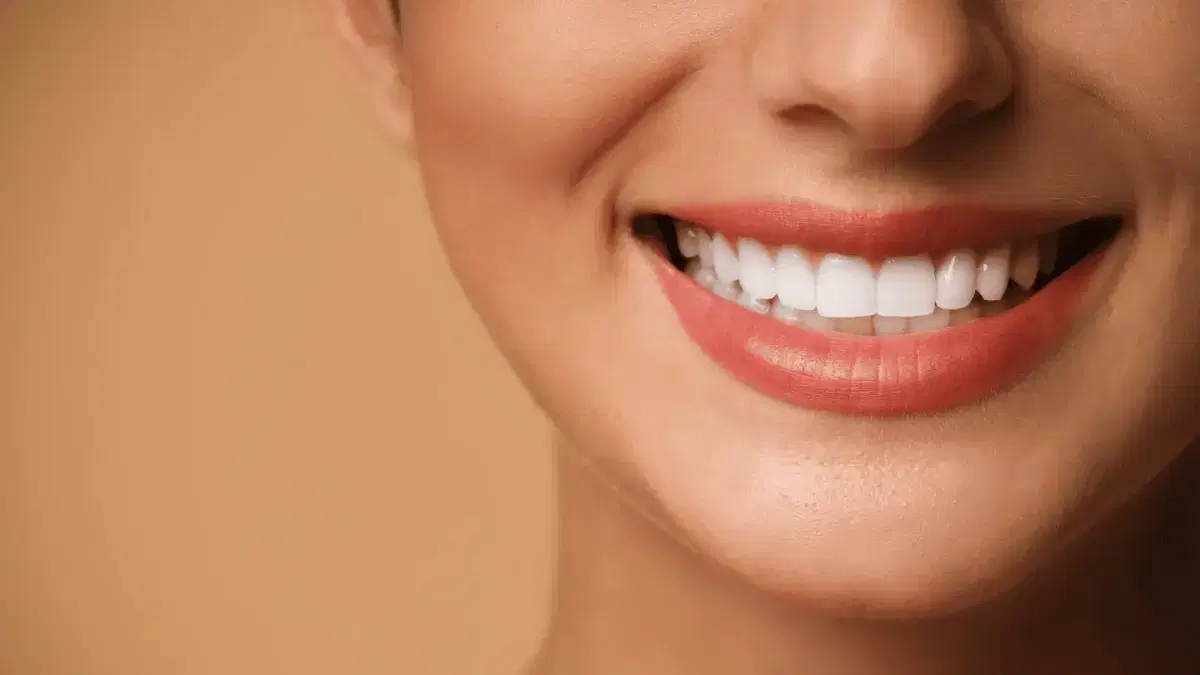
What Types of Veneers Are Available in Turkey?
Common veneer options include porcelain veneers, ceramic veneers, and composite veneers. Each material has different aesthetic, mechanical, and maintenance characteristics.
Porcelain veneers are laboratory-made restorations designed to reproduce natural tooth translucency and surface texture. They are commonly selected for longer-term aesthetic treatment.
Composite veneers are created with tooth-colored resin and may require less laboratory work. However, composite can stain, chip, or wear more easily over time.
Material selection should reflect tooth condition, bite forces, aesthetic goals, and the amount of available enamel.
Who May Be Suitable for Veneers?
Veneers may be suitable for adults with healthy teeth and gums who want to improve selected cosmetic concerns. Common indications include discoloration, chipped edges, uneven tooth proportions, minor spacing, and visible asymmetry.
Patients with active decay, gum disease, severe tooth grinding, or significant bite problems may require treatment before veneers.
Extensively damaged teeth may need crowns instead of veneers because additional structural coverage could be necessary.
The decision should be based on how much healthy tooth structure remains and whether veneers can provide stable function.
How Are Veneers Planned?
Veneer treatment begins with examination of tooth position, enamel condition, gum levels, bite, and overall smile proportions. Photographs and digital scans may support the planning process.
The width and length of each veneer should relate to neighboring teeth and facial features. Creating identical teeth without considering natural variation can produce an artificial appearance.
Digital smile planning or diagnostic mock-ups may help visualize potential changes before treatment.
Planning should also identify whether orthodontics, whitening, bonding, or another conservative treatment could address the concern with less tooth preparation.
Do Teeth Need to Be Shaved for Veneers?
Some veneer treatments require limited tooth preparation, while others may involve minimal or no preparation. The amount depends on tooth position, enamel thickness, and desired shape.
Preparation creates space for the veneer and helps prevent excessive bulk. Removing too much healthy tooth structure is generally undesirable.
Teeth that already project forward may require more adjustment than smaller or inward-positioned teeth.
The objective should be controlled preparation that supports suitable proportions and reliable bonding while preserving as much healthy enamel as possible.
What Are No-Prep Veneers?
No-prep veneers are thin restorations designed to require little or no enamel reduction in selected cases. They are not suitable for every tooth position or smile.
These veneers may work better when teeth are naturally small, slightly recessed, or require modest volume increases.
Using no-prep veneers on already prominent teeth can make them appear bulky or overcontoured.
The term describes the preparation approach rather than a completely different restoration type. Careful case selection remains essential because natural tooth dimensions determine whether additional material can be added without compromising proportions.
Porcelain Veneers vs Composite Veneers
Porcelain and composite veneers differ in material, production method, maintenance, and expected longevity. Porcelain veneers are manufactured outside the mouth and bonded during a later appointment.
Composite veneers are typically shaped directly on the teeth using resin material. They can sometimes be completed more quickly and repaired more easily.
Porcelain generally offers stronger resistance to staining and may maintain surface characteristics longer. Composite requires more maintenance because polishing, staining, or minor repairs may become necessary.
The appropriate choice depends on treatment goals, tooth structure, and expected function.
How Are Porcelain Veneers Applied?
Porcelain veneer treatment usually begins with tooth preparation when required. Impressions or digital scans are then taken to create the final restorations.
Temporary veneers may be used while the permanent restorations are manufactured. During the final appointment, the veneers are checked for fit, shape, shade, and bite.
The tooth surfaces are prepared for bonding, and the veneers are secured with dental adhesive systems and resin cement.
Final adjustments may be necessary to ensure comfortable contact between upper and lower teeth.
How Long Does Veneer Treatment Take?
Treatment duration depends on the number of veneers, preparation requirements, laboratory process, and whether additional dental treatment is required.
Some cases can be completed within a small number of appointments. More complex smile rehabilitation may require additional planning, temporary restorations, and bite adjustments.
International patients should allow enough time for assessment and final checks instead of planning treatment around the shortest possible travel schedule.
Additional visits may become necessary when changes are required before final bonding.
Are Veneers Painful?
Veneer treatment is usually performed with local anesthesia when tooth preparation could cause sensitivity or discomfort. The experience varies according to preparation depth.
Temporary sensitivity can occur after enamel reduction or final bonding. Gum tenderness may also appear when restorations extend close to the gum line.
Most discomfort is generally temporary. Persistent pain can indicate bite problems, pulpal irritation, or another dental issue requiring assessment.
Veneers should feel integrated with the bite after appropriate adjustment and healing.
How Long Do Veneers Last?
Veneer longevity depends on material, bonding quality, oral hygiene, bite forces, habits, and remaining tooth structure. They should not be considered permanent restorations requiring no future care.
Porcelain veneers can remain functional for many years when appropriately maintained. However, they can eventually chip, debond, fracture, or require replacement.
Patients who grind their teeth may place additional stress on restorations. A protective night guard may be considered in selected cases.
Regular dental examinations help monitor both veneers and the natural teeth supporting them.
Can Veneers Stain?
Porcelain veneers are generally more resistant to external staining than natural enamel or composite resin. However, surrounding teeth and veneer margins can still change appearance.
Composite veneers are more likely to develop surface discoloration over time. Coffee, tea, tobacco, and strongly pigmented foods can contribute to staining.
Professional polishing may improve selected composite discoloration.
Good oral hygiene remains important because veneers do not protect the underlying teeth from plaque-related problems or decay around restoration margins.
Can You Eat Normally With Veneers?
Patients can usually return to normal eating after veneers have been securely bonded and initial sensitivity has settled. However, veneers remain dental restorations rather than indestructible structures.
Biting very hard objects can increase the risk of chipping or fracture. Habits such as biting pens, ice, or fingernails can also place unnecessary pressure on veneer edges.
A balanced bite helps distribute forces more appropriately.
Patients with strong grinding or clenching habits may require additional protective measures to reduce stress on the restorations.
What Are the Risks of Veneers?
Veneer treatment can involve tooth sensitivity, gum irritation, debonding, fracture, color mismatch, or bite discomfort. Tooth preparation also permanently alters enamel when reduction is required.
Excessive preparation can weaken tooth structure and increase the risk of sensitivity. Poorly contoured veneers may create cleaning difficulties or affect gum health.
Veneers can also look unnatural when they are too opaque, bulky, bright, or uniform.
Conservative preparation, appropriate material selection, and careful bite adjustment help reduce avoidable complications.
Veneers in Turkey for International Patients
International patients considering veneers in Turkey should understand how many teeth will be treated, which material will be used, and how much preparation is planned. These details affect both aesthetics and long-term tooth preservation.
Patients should also receive information about temporary restorations, laboratory stages, bite adjustments, and future maintenance.
Travel schedules should provide enough time for final evaluation before departure.
Veneers in Turkey can improve tooth color, shape, symmetry, spacing, and smile proportions when treatment is appropriately planned. Preserving healthy enamel, selecting suitable materials, and maintaining stable bite relationships remain central to long-term treatment quality.

You can send us messages regarding your appointments and requests.
 Send Message