

Teeth Whitening
Teeth whitening in Turkey is a cosmetic dental treatment that lightens natural tooth color and reduces selected types of discoloration. Professional whitening usually uses controlled bleaching agents applied in a clinical setting or through dentist-supervised home systems. Treatment planning should consider tooth sensitivity, enamel condition, gum health, existing restorations, and the underlying cause of discoloration before whitening begins.

What Is Teeth Whitening?
Teeth whitening is a cosmetic dental procedure designed to lighten the visible color of natural teeth. It works by breaking down certain stain molecules within or on the tooth structure. Professional whitening can address discoloration caused by food, beverages, smoking, aging, and selected lifestyle factors. However, not every type of discoloration responds equally. The treatment does not reshape teeth or change their position. Its primary purpose is color improvement. A dental examination helps determine whether whitening is suitable and whether another treatment may be more appropriate.
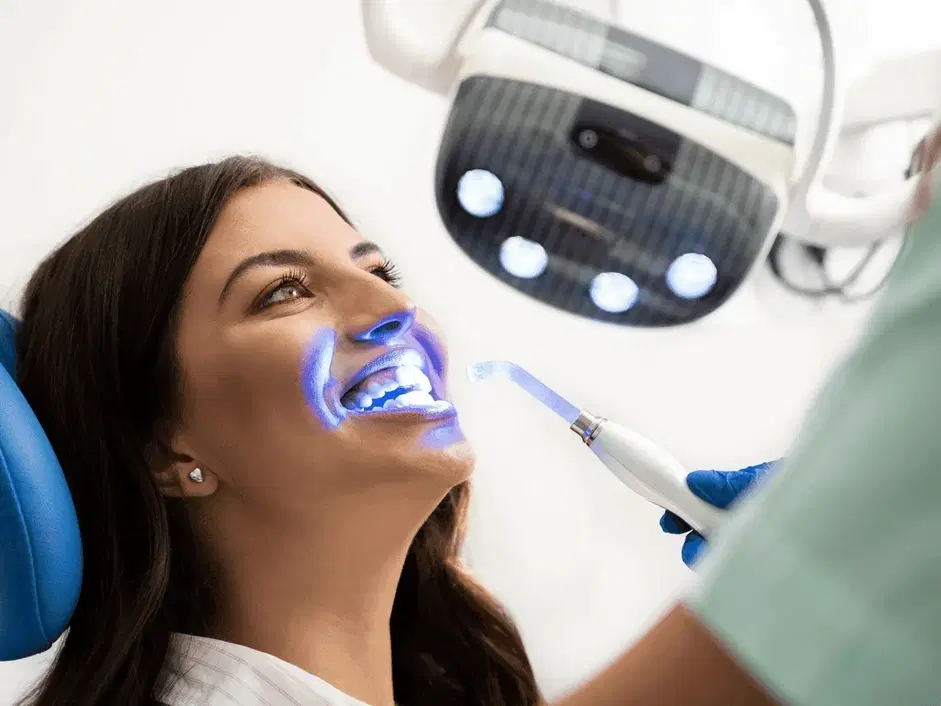
How Does Professional Teeth Whitening Work?
Professional teeth whitening uses bleaching agents that penetrate tooth structure and alter stain compounds. Hydrogen peroxide or carbamide peroxide may be used in different concentrations.
During in-clinic whitening, protective measures are applied to reduce contact with the gums and surrounding soft tissues. The whitening material is then placed on the teeth for controlled treatment periods.
Some systems may use additional light sources, although the bleaching agent remains the main active component.
The final shade depends on the original tooth color, stain type, treatment method, and individual response.
What Causes Tooth Discoloration?
Tooth discoloration can develop for several reasons. Common external causes include coffee, tea, red wine, tobacco, and strongly pigmented foods.
Natural aging can also make teeth appear darker because enamel becomes thinner and underlying dentin becomes more visible.
Internal discoloration may develop after trauma, selected medications, developmental changes, or previous dental treatment.
Understanding the cause is important because superficial staining and deeper discoloration may respond differently to whitening.
Some discoloration may require restorative treatment rather than bleaching alone.
What Types of Teeth Whitening Are Available in Turkey?
Teeth whitening in Turkey may include in-office whitening, dentist-supervised home whitening, or a combination of both methods.
In-office whitening uses higher-concentration bleaching products under professional supervision. This approach allows careful protection of the gums and controlled application.
Home whitening usually uses custom trays and a lower-concentration whitening gel. Treatment continues according to a prescribed schedule.
Combined protocols may begin with clinical whitening and continue with home treatment.
The most suitable option depends on stain severity, sensitivity, desired shade change, and dental condition.
Who Is Suitable for Teeth Whitening?
Teeth whitening may be suitable for adults with healthy teeth and gums who want to reduce visible discoloration. The treatment works primarily on natural tooth structure.
Patients with untreated cavities, gum disease, cracked teeth, or significant sensitivity may require dental treatment before whitening.
Pregnancy, breastfeeding, extensive restorations, and certain dental conditions may also influence treatment planning.
The dentist should evaluate whether discoloration originates from natural enamel, restorations, internal tooth changes, or another cause.
Whitening should be selected only when bleaching can realistically improve the existing tooth color.
Can Crowns, Veneers, and Fillings Be Whitened?
Crowns, veneers, fillings, and other dental restorations generally do not whiten in the same way as natural teeth. Their color is determined by the restorative material.
This difference is important when visible restorations are present in the smile area. Whitening natural teeth can create a shade mismatch with existing dental work.
Treatment may therefore be planned before replacing visible restorations. The final restoration shade can then be selected after the natural teeth reach the desired color.
Patients should understand this limitation before beginning whitening treatment.
Does Teeth Whitening Cause Sensitivity?
Temporary tooth sensitivity is one of the most common effects associated with teeth whitening. It may occur during or after treatment.
Sensitivity develops because bleaching agents can temporarily affect fluid movement within the tooth structure. Symptoms may be more noticeable with cold drinks or air exposure.
The intensity varies between individuals and whitening systems. Patients with existing sensitivity may require modified treatment protocols.
Desensitizing products, lower concentrations, or adjusted treatment intervals may help manage discomfort.
Persistent or severe sensitivity should be evaluated rather than ignored.
Is Teeth Whitening Safe for Enamel?
Professional teeth whitening can be performed without intentionally removing enamel when appropriate products and protocols are used. Whitening differs from procedures that physically reshape tooth structure.
However, excessive use or poorly controlled bleaching products can increase sensitivity and irritate soft tissues.
The concentration, treatment duration, and frequency should therefore be controlled.
Whitening should not be used to repeatedly chase an unnaturally bright shade. Tooth color has biological limits, and stronger treatment does not always produce a better aesthetic result.
What Happens During In-Office Teeth Whitening?
In-office whitening usually begins with an examination and assessment of the existing tooth shade. The teeth and gums are then prepared for treatment.
A protective barrier may be placed over the gums before the bleaching material is applied. The whitening agent remains on the teeth for controlled intervals.
The material may be renewed during the appointment depending on the system used.
After treatment, the teeth are cleaned and the resulting shade is evaluated. Additional sessions may be considered when appropriate.
Temporary sensitivity can occur during the first period after treatment.
How White Can Teeth Become?
Teeth whitening can lighten natural teeth, but it cannot create the same shade in every patient. The final result depends on underlying dentin color, enamel thickness, and stain characteristics.
Some teeth respond quickly, while deeper or internal discoloration may show less change.
Natural variation between individual teeth can also remain after whitening.
A realistic objective is usually a cleaner and lighter natural shade rather than an artificial white appearance.
Patients with severe intrinsic discoloration may require alternative cosmetic dental procedures for a more significant color change.
How Long Do Teeth Whitening Results Last?
Teeth whitening results are not permanent because teeth can gradually become stained again. Longevity depends on diet, oral hygiene, smoking, and other habits.
Frequent consumption of coffee, tea, red wine, and tobacco products can accelerate renewed discoloration.
Natural aging also continues after whitening.
Some patients use periodic maintenance treatment when appropriate. However, repeated whitening should follow professional guidance to avoid unnecessary sensitivity or irritation.
Maintaining good oral hygiene and limiting staining habits can help preserve the lighter shade for longer.
What Should You Avoid After Teeth Whitening?
After teeth whitening, patients are commonly advised to limit strongly pigmented foods and drinks during the early period. This may include coffee, tea, dark sauces, red wine, and tobacco.
Very hot or cold foods may also increase discomfort when temporary sensitivity is present.
Good oral hygiene should continue, but aggressive brushing should be avoided if the gums feel irritated.
The early aftercare period allows temporary sensitivity to settle and helps maintain the initial whitening effect.
Specific instructions may vary according to the whitening method used.
Teeth Whitening vs Dental Veneers
Teeth whitening changes tooth color, while dental veneers can modify color, shape, size, and selected alignment concerns. These treatments therefore address different problems.
Whitening is generally more conservative because it does not require ceramic restorations to cover the front surface of the teeth.
Veneers may be considered when discoloration does not respond adequately to bleaching or when shape changes are also required.
Choosing veneers solely for mild staining can involve unnecessary tooth preparation when whitening would address the primary concern.
Treatment selection should match the underlying dental problem.
Teeth Whitening in Turkey for International Patients
International patients considering teeth whitening in Turkey should have their teeth and gums evaluated before treatment. Whitening should not replace necessary treatment for decay, gum disease, or damaged restorations.
Patients should also consider whether visible crowns, veneers, or fillings will match the new tooth shade after bleaching.
Travel plans usually require less recovery time than surgical dental procedures, although temporary sensitivity may occur.
Teeth whitening in Turkey can improve selected forms of tooth discoloration through professionally controlled bleaching. Accurate diagnosis, realistic shade expectations, sensitivity management, and appropriate aftercare remain central to successful treatment planning.

You can send us messages regarding your appointments and requests.
 Send Message