

TAVI / TAVR
TAVI / TAVR in Turkey is a minimally invasive procedure used to replace a diseased aortic valve without conventional open-heart valve replacement surgery. TAVI stands for Transcatheter Aortic Valve Implantation, while TAVR means Transcatheter Aortic Valve Replacement. Both terms describe the same treatment. The procedure is primarily used for patients with severe aortic stenosis when aortic valve replacement is clinically indicated.

What Is TAVI / TAVR?
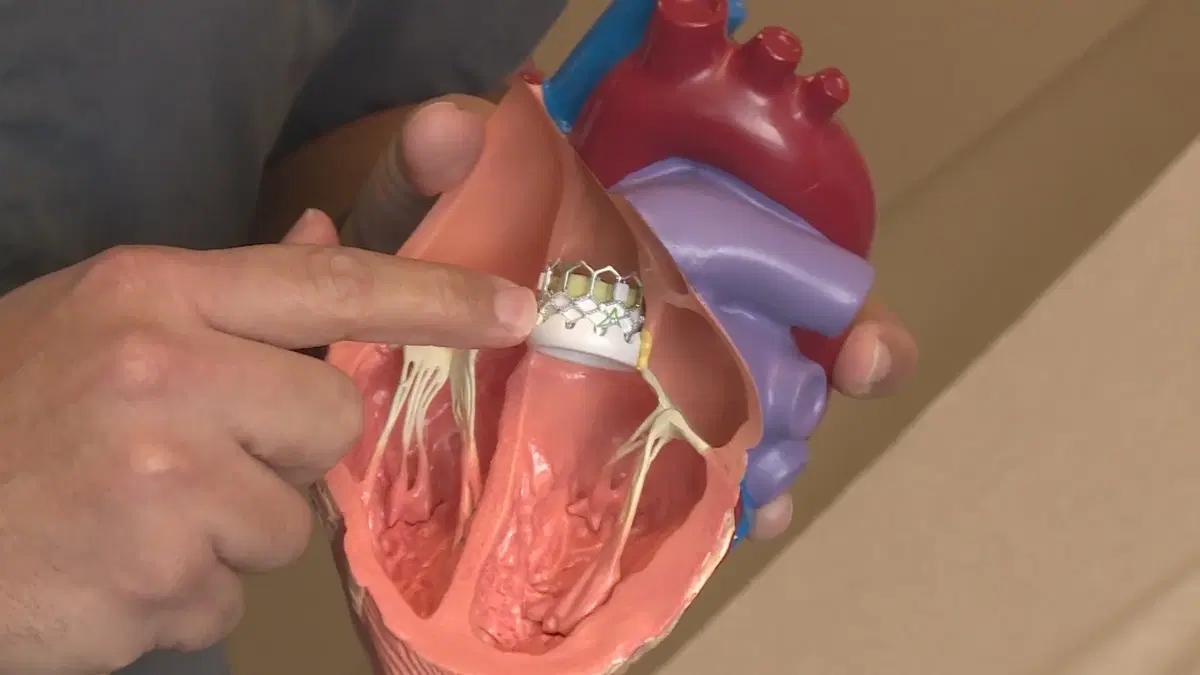
TAVI / TAVR replaces a diseased aortic valve using a biological replacement valve delivered through a catheter. Unlike conventional surgical aortic valve replacement, the existing valve is generally not surgically removed. The replacement valve is positioned inside the diseased valve and expanded. Once deployed, the new valve pushes the damaged native valve leaflets aside and begins regulating blood flow from the left ventricle into the aorta. The procedure combines interventional cardiology, cardiovascular imaging, anesthesia, and heart valve expertise.
What Is Aortic Stenosis?
Aortic stenosis is a narrowing of the aortic valve that restricts blood leaving the heart.
The condition often develops gradually as the valve becomes thickened and calcified. The left ventricle must then work harder to pump blood through the narrowed opening.
Severe aortic stenosis can cause shortness of breath, chest pain, fatigue, dizziness, fainting, and reduced exercise capacity.
Progressive disease can eventually contribute to heart failure and other cardiovascular complications.
Who May Be Suitable for TAVI?
TAVI can be considered for selected patients with severe aortic stenosis who require valve replacement.
Patient selection is no longer based solely on whether someone is considered too high-risk for conventional surgery. Modern treatment decisions also consider age, life expectancy, anatomy, previous procedures, surgical risk, associated cardiovascular disease, and expected valve durability.
TAVI is not automatically the preferred treatment for every patient.
A multidisciplinary heart valve team can compare TAVI with surgical aortic valve replacement before recommending an approach.
How Is TAVI Planned?
Detailed cardiovascular assessment is required before TAVI.
Echocardiography evaluates aortic valve narrowing, heart function, valve anatomy, and other cardiac structures.
CT angiography provides detailed measurements of the aortic valve, aortic root, coronary arteries, and potential vascular access routes.
Coronary angiography may be required to identify significant coronary artery disease.
Blood tests, ECG, kidney function, medications, previous procedures, and general health are also reviewed before treatment.
Accurate measurements are particularly important for selecting the appropriate replacement valve size.
How Is TAVI Performed?
TAVI is performed by advancing a catheter carrying a compressed replacement valve toward the heart.
Once the device reaches the diseased aortic valve, it is carefully positioned using cardiovascular imaging.
The replacement valve is then expanded inside the native valve.
After deployment, the team checks valve position, blood flow, heart rhythm, and possible leakage around the prosthesis.
The catheter and delivery system are subsequently removed.
Depending on the treatment plan, TAVI may be performed using sedation or general anesthesia.
What Is Transfemoral TAVI?
Transfemoral TAVI accesses the heart through the femoral artery in the groin.
It is a commonly used approach because it can avoid a surgical chest incision.
The valve delivery system travels through the arterial circulation until it reaches the aortic valve.
However, transfemoral access requires suitable blood vessel anatomy.
CT angiography is used to assess vessel diameter, calcification, tortuosity, and other characteristics that could affect safe catheter passage.
Alternative access strategies can be considered when transfemoral treatment is unsuitable.
What Type of Valve Is Used for TAVI?
TAVI uses a bioprosthetic replacement valve mounted within an expandable frame.
The valve is compressed onto the delivery system before being advanced through the catheter.
Once positioned, the frame expands and anchors the prosthetic valve within the diseased native valve.
Unlike mechanical surgical valves, transcatheter valves use biological tissue.
Different valve designs and sizes are available.
Selection depends on aortic anatomy, annulus measurements, coronary anatomy, previous valve procedures, and other anatomical considerations identified during pre-procedure imaging.
TAVI vs Open-Heart Valve Replacement
TAVI and Surgical Aortic Valve Replacement (SAVR) both replace a diseased aortic valve but use substantially different approaches.
SAVR usually requires surgical access to the heart, cardiopulmonary bypass, removal of the diseased valve, and implantation of a new prosthesis.
TAVI delivers a replacement valve through a catheter without removing the native valve.
TAVI generally involves less surgical trauma and faster early recovery.
However, surgery may remain preferable for patients who require additional procedures, have unsuitable anatomy, or have other considerations affecting long-term treatment strategy.
Can TAVI Be Performed After Previous Heart Surgery?
Previous cardiac surgery does not necessarily prevent TAVI.
Some patients who previously underwent coronary bypass surgery or other cardiac operations may be evaluated for transcatheter valve replacement.
Avoiding another sternotomy can be an important consideration in selected cases.
However, previous operations can change cardiac and vascular anatomy.
The heart team therefore reviews previous surgical reports, graft anatomy, imaging, existing prosthetic material, and coronary circulation before determining whether TAVI is technically appropriate.
What Is Valve-in-Valve TAVI?
Valve-in-valve TAVI can treat selected patients whose previously implanted biological surgical aortic valve has deteriorated.
Instead of removing the old surgical prosthesis through another open operation, a transcatheter valve can sometimes be implanted inside it.
Detailed imaging is required to evaluate the existing valve size, coronary artery position, internal dimensions, and expected blood flow after treatment.
Valve-in-valve treatment is not appropriate for every failing prosthetic valve, so anatomical assessment remains essential before selecting this strategy.
What Are the Risks of TAVI / TAVR?
TAVI is less invasive than conventional open-heart surgery, but it remains a significant cardiovascular procedure.
Possible complications include bleeding, vascular injury, stroke, infection, kidney problems, heart rhythm abnormalities, and leakage around the implanted valve.
Some patients develop electrical conduction problems after valve implantation and may require a permanent pacemaker.
Rare complications can involve coronary obstruction, valve displacement, or damage to cardiovascular structures.
Individual risk depends on anatomy, age, associated diseases, vascular condition, and procedural complexity.
What Is Paravalvular Leakage?
Paravalvular leakage occurs when blood flows around rather than through the implanted replacement valve.
Small leaks may have limited clinical significance, while more substantial leakage can affect heart function and require further management.
Valve sizing, positioning, calcification patterns, and aortic anatomy can influence the risk.
Modern imaging and valve technologies help the treatment team assess these factors before and during implantation.
Echocardiography is used after TAVI to evaluate valve function and identify clinically significant leakage.
Is a Pacemaker Needed After TAVI?
Some patients require permanent pacemaker implantation after TAVI.
The heart’s electrical conduction system is located close to the aortic valve. Pressure from the implanted prosthesis can occasionally interfere with normal electrical signals.
Heart rhythm is therefore monitored closely after the procedure.
Whether a pacemaker becomes necessary depends on the type and persistence of the conduction abnormality.
Pre-existing electrical abnormalities, anatomy, valve characteristics, and implantation depth can also influence pacemaker risk.
How Long Is Recovery After TAVI?
Recovery after uncomplicated TAVI is generally shorter than recovery after conventional open-heart valve replacement.
Patients are monitored after the procedure for vascular complications, heart rhythm changes, bleeding, kidney function, and valve performance.
Walking can often begin relatively early when the patient is clinically stable.
The access site also requires monitoring during recovery.
Return to normal activity varies according to age, cardiovascular condition, associated diseases, and the presence of complications.
Follow-up continues after hospital discharge.
How Long Does a TAVI Valve Last?
TAVI valves are biological prostheses and can undergo structural deterioration over time.
Durability is particularly important when treatment is considered for younger patients with longer life expectancy.
Long-term planning therefore involves more than the immediate procedural result.
Age, expected lifespan, future coronary access, potential repeat valve intervention, and alternative surgical options can influence the initial treatment decision.
Periodic echocardiography is used after TAVI to monitor valve function and detect changes in performance.
What Follow-Up Is Needed After TAVI?
Cardiology follow-up remains necessary after successful TAVI.
Clinical assessment and echocardiography can monitor valve function, heart performance, symptoms, and possible complications.
Medication requirements are individualized according to cardiovascular history, heart rhythm, bleeding risk, coronary disease, and other factors.
Patients should also continue management of hypertension, diabetes, cholesterol, smoking, and other cardiovascular risk factors.
A successful valve procedure treats aortic stenosis but does not eliminate other cardiovascular diseases.
TAVI / TAVR in Turkey for International Patients
International patients considering TAVI / TAVR in Turkey should provide previous cardiovascular records before treatment planning.
Useful documents may include echocardiography images, CT scans, coronary angiography, ECG results, previous cardiac surgery reports, blood tests, and current medication lists.
Pre-procedure assessment determines whether TAVI is appropriate and whether transfemoral or another access strategy can be used.
Travel planning should allow sufficient time for evaluation, treatment, early monitoring, and post-procedure assessment before returning home.
TAVI / TAVR in Turkey can provide a transcatheter treatment option for selected patients requiring aortic valve replacement. Detailed imaging, appropriate patient selection, accurate valve sizing, multidisciplinary heart team assessment, procedural monitoring, and long-term cardiology follow-up remain central to treatment.

You can send us messages regarding your appointments and requests.
 Send Message