

Surgical Oncology
Surgical oncology in Turkey focuses on the surgical diagnosis, staging, removal, and management of solid tumors. Cancer surgery may be used as the primary treatment or combined with chemotherapy, radiotherapy, immunotherapy, or targeted therapy. Treatment planning depends on tumor type, stage, location, surrounding structures, pathology findings, organ function, and the patient’s overall clinical condition.

What Is Surgical Oncology?
Surgical oncology is the branch of cancer care that uses surgery to diagnose, stage, remove, or control malignant tumors. The role of surgery differs between cancer types. In early-stage disease, complete tumor removal may be the main treatment. In other cases, surgery is one part of a broader treatment pathway. Surgical oncologists work closely with medical oncologists, radiation oncologists, pathologists, radiologists, and other specialists to determine whether an operation is appropriate and how it should fit into the overall cancer treatment plan.
Which Cancers Can Be Treated With Surgical Oncology?
Surgical oncology is involved in the treatment of many solid tumors.
These may include breast cancer, colorectal cancer, stomach cancer, liver cancer, pancreatic cancer, lung cancer, thyroid cancer, kidney cancer, ovarian cancer, melanoma, and selected soft tissue tumors.
The value of surgery depends on whether the tumor can be removed safely and whether disease has spread beyond the surgical area.
Some cancers are mainly treated with systemic therapy, while others depend heavily on surgical removal.
What Is Tumor Resection?
Tumor resection means surgically removing a cancerous mass from the body.
The objective is usually to remove the visible tumor together with an appropriate amount of surrounding tissue.
The extent of surgery depends on tumor size, anatomical location, nearby organs, and the biological behavior of the cancer.
Some operations remove only the tumor and a limited margin.
Others require removal of part or all of an organ to achieve adequate cancer control.
The surgical plan should balance oncological effectiveness with preservation of function whenever possible.
What Are Surgical Margins?
Surgical margins are the edges of tissue removed around a tumor.
After surgery, a pathologist examines these margins to determine whether cancer cells extend to the edge of the specimen.
A negative or clear margin means no cancer cells are identified at the examined edge.
A positive margin means tumor cells are present at the edge and may indicate remaining disease.
Margin requirements differ between cancer types.
The goal is not simply to remove as much tissue as possible, but to achieve appropriate cancer clearance while limiting unnecessary loss of healthy structures.
What Is Lymph Node Surgery?
Lymph node surgery helps determine whether cancer has spread beyond the primary tumor.
Depending on the cancer, surgeons may perform sentinel lymph node biopsy or remove a larger group of regional lymph nodes.
Sentinel lymph node biopsy identifies the first lymph nodes most likely to receive cancer cells from the primary tumor.
If these nodes are negative, more extensive lymph node removal may sometimes be avoided.
Lymph node findings can influence cancer staging and decisions about chemotherapy, radiotherapy, or other treatments after surgery.
How Is Cancer Surgery Planned?
Cancer surgery planning begins with accurate diagnosis and staging.
Imaging such as CT, MRI, ultrasound, PET-based imaging, or other studies may be used to define the tumor and its relationship with surrounding structures.
Biopsy and pathology results establish the cancer type and biological characteristics.
The surgical team also evaluates organ function, previous operations, medications, nutritional status, and general anesthesia risk.
The objective is to determine whether complete or meaningful tumor removal can be achieved safely.
What Is Curative Cancer Surgery?
Curative cancer surgery aims to remove all known local or regional disease when this is considered technically and medically achievable.
It is more commonly possible in localized cancers that have not spread extensively to distant organs.
Surgery may still be combined with other treatments.
Chemotherapy or radiotherapy can be given before surgery to improve operability or after surgery to reduce recurrence risk.
The term curative describes the treatment intention rather than a guarantee that cancer will never return.
What Is Debulking Surgery?
Debulking surgery removes as much tumor tissue as possible when complete removal is not feasible.
This approach is used in selected cancers where reducing tumor volume can improve the effectiveness of other treatments or help control symptoms.
Ovarian cancer is one example where cytoreductive surgery may play an important role.
The value of debulking depends on cancer type, disease distribution, expected surgical outcome, and available systemic treatments.
It is not appropriate for every advanced cancer.
What Is Minimally Invasive Cancer Surgery?
Minimally invasive surgery uses smaller incisions and specialized instruments to perform selected cancer operations.
Laparoscopic surgery is performed through small abdominal incisions using a camera and surgical instruments.
Robotic-assisted surgery uses a robotic platform controlled by the surgeon.
These approaches may reduce postoperative pain and shorten recovery in suitable cases.
However, minimally invasive surgery is not automatically appropriate for every tumor.
Cancer control, surgical margins, lymph node assessment, and patient safety remain more important than incision size.
What Is Open Cancer Surgery?
Open surgery uses a larger incision to provide direct access to the tumor and surrounding structures.
It may be preferred for large tumors, complex anatomical involvement, major vascular procedures, or operations requiring extensive reconstruction.
Open surgery can also be necessary when minimally invasive access would limit safe tumor removal.
The choice between open, laparoscopic, and robotic techniques depends on cancer characteristics and surgical complexity.
One approach is not universally superior for every cancer operation.
What Is Neoadjuvant Treatment Before Surgery?
Neoadjuvant treatment is therapy given before cancer surgery.
It may include chemotherapy, radiotherapy, immunotherapy, targeted therapy, or combinations of these treatments.
The goal may be to shrink the tumor, improve surgical options, or treat microscopic disease early.
Neoadjuvant therapy is used in selected breast, rectal, esophageal, lung, and other cancers.
Response to treatment can also provide information about tumor biology.
Surgery is usually planned after reassessment of the tumor and overall disease status.
What Is Adjuvant Treatment After Surgery?
Adjuvant treatment is given after cancer surgery to reduce the risk of recurrence.
Even after complete removal of the visible tumor, microscopic cancer cells may remain elsewhere in the body.
Chemotherapy, radiotherapy, hormone therapy, targeted therapy, or immunotherapy may be recommended depending on the cancer.
The decision is based on pathology findings, lymph node involvement, surgical margins, tumor stage, molecular characteristics, and estimated recurrence risk.
Not every patient requires additional treatment after surgery.
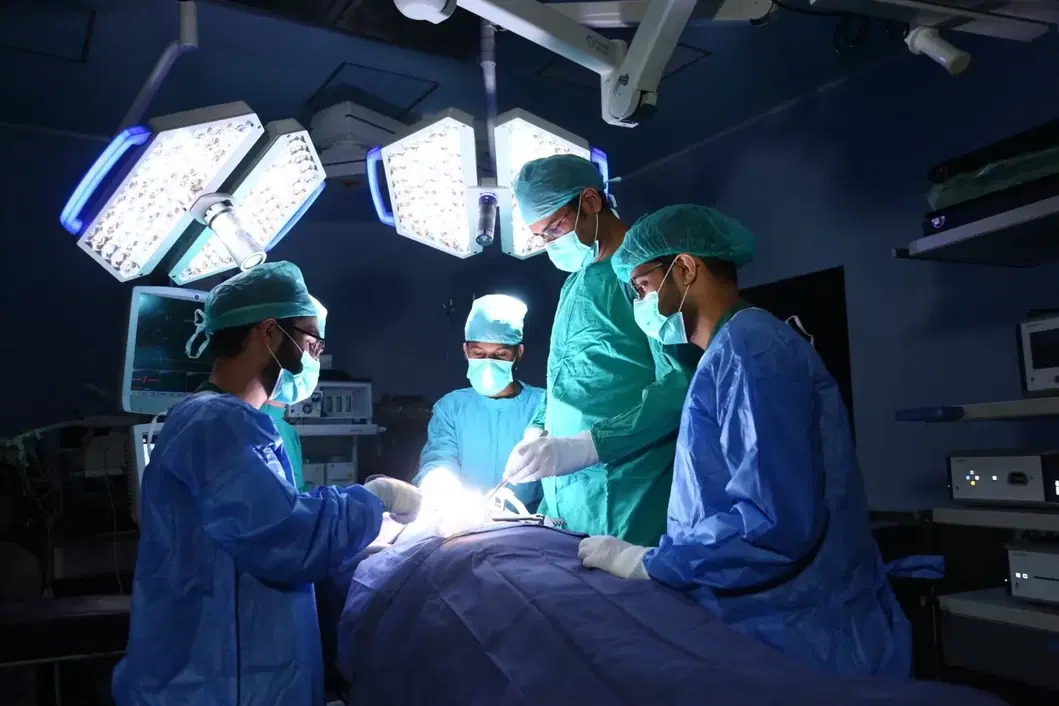
What Happens During Cancer Surgery?
Cancer surgery is usually performed under general anesthesia, although smaller procedures may use different anesthesia techniques.
The surgeon removes the tumor according to the planned anatomical and oncological boundaries.
Lymph nodes or surrounding tissues may also be removed when required.
Some procedures include reconstruction during the same operation.
Removed tissue is sent to pathology for detailed examination.
The final pathology report can provide information that was not fully available from imaging or biopsy before surgery.
What Is Recovery Like After Surgical Oncology?
Recovery depends on the type and extent of the operation.
Early care focuses on pain control, wound healing, mobility, nutrition, and prevention of complications.
Patients may temporarily require drains, urinary catheters, intravenous fluids, or other supportive measures.
Walking is often encouraged as soon as medically appropriate.
Recovery after major abdominal or thoracic surgery generally takes longer than after smaller minimally invasive procedures.
Pathology results are usually reviewed during postoperative follow-up to determine whether additional cancer treatment is required.
What Are the Risks of Cancer Surgery?
Cancer surgery carries risks related to both the operation and the patient’s underlying condition.
Possible complications include bleeding, infection, blood clots, wound problems, injury to nearby structures, anesthesia complications, and temporary or permanent changes in organ function.
Specific risks vary significantly between procedures.
Lymph node surgery can also cause complications such as lymphedema in selected cases.
Preoperative assessment and careful postoperative monitoring help reduce preventable surgical risks.
Can Cancer Return After Surgery?
Cancer can recur after surgery even when the visible tumor has been completely removed.
Recurrence risk depends on cancer type, stage, tumor biology, lymph node involvement, surgical margins, and response to additional treatment.
Cancer may recur near the original site or in another part of the body.
For this reason, surgery is often followed by a structured surveillance program.
Follow-up may include physical examinations, imaging, laboratory testing, or disease-specific monitoring according to the individual recurrence pattern.
Why Is Multidisciplinary Planning Important?
Multidisciplinary planning helps determine when surgery should be performed and how it should interact with other cancer treatments.
A tumor board may include surgical oncologists, medical oncologists, radiation oncologists, radiologists, pathologists, and other specialists.
The team can review staging, resectability, treatment sequencing, and expected functional outcomes.
This is particularly important for complex cancers where surgery before or after systemic treatment may produce different clinical outcomes.
Surgical Oncology in Turkey for International Patients
International patients considering surgical oncology in Turkey should provide complete diagnostic records before treatment planning.
Useful documents may include biopsy reports, pathology slides, imaging, laboratory results, previous surgery reports, and details of chemotherapy or radiotherapy.
Imaging or pathology may need reassessment before the operation.
Travel planning should also include sufficient time for preoperative evaluation, hospitalization, early recovery, pathology review, and postoperative assessment.
Surgical oncology in Turkey can include tumor resection, lymph node surgery, minimally invasive techniques, complex cancer operations, and multidisciplinary treatment planning. Accurate staging, appropriate surgical margins, careful technique selection, and coordinated postoperative care remain central to effective cancer surgery.

You can send us messages regarding your appointments and requests.
 Send Message