

Smile Design
Smile design in Turkey is a personalized dental planning process that evaluates teeth, gums, lips, bite, and facial proportions before cosmetic treatment begins. It may involve veneers, whitening, bonding, crowns, gum contouring, orthodontics, or restorative procedures. The objective is to create balanced tooth proportions while protecting dental function and preserving healthy tooth structure whenever possible.

What Is Smile Design?
Smile design is the process of planning cosmetic and restorative dental changes according to the patient’s facial and dental anatomy. It is not a single treatment. The process evaluates tooth color, shape, width, length, symmetry, alignment, gum levels, and visible tooth display. Smile design may also consider the relationship between the upper and lower teeth during speech and smiling. The final treatment plan depends on which features require correction and which natural structures should remain unchanged.
How Does Digital Smile Design Work?
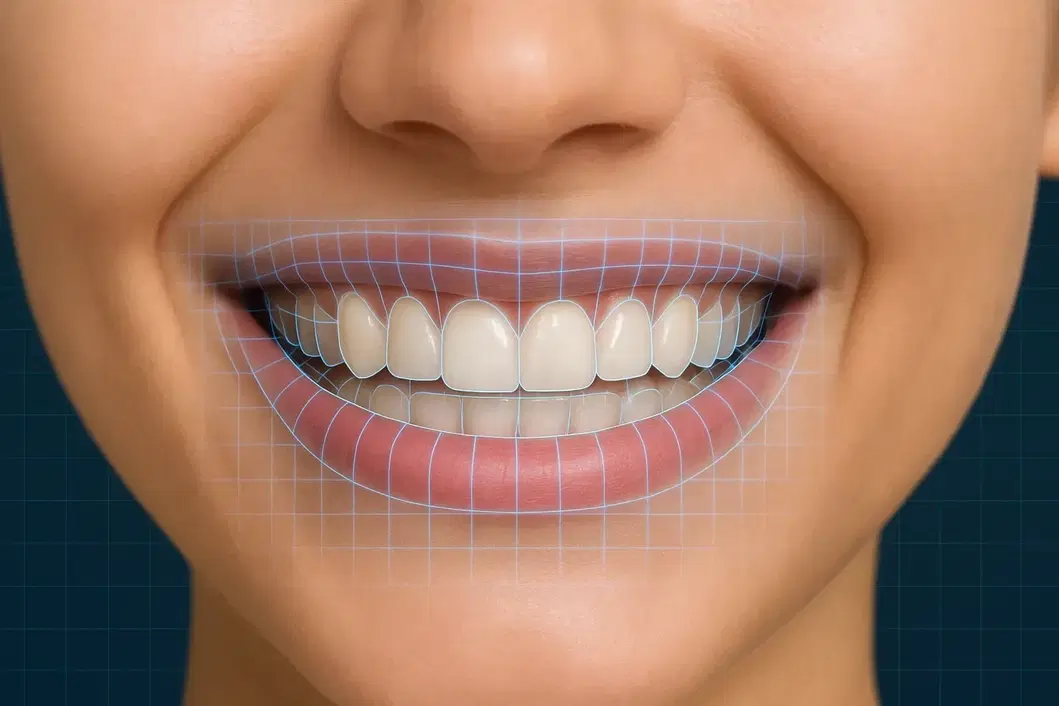
Digital smile design uses photographs, scans, and digital planning tools to analyze the appearance of the teeth and surrounding facial structures.
Digital measurements can help assess tooth proportions, dental midline, smile arc, gum levels, and tooth visibility.
The planned result may be displayed digitally before definitive treatment starts. This allows proposed changes to be reviewed before veneers, crowns, bonding, or other procedures are completed.
Digital planning supports communication, but it does not replace clinical examination, bite analysis, or evaluation of tooth health.
What Is Evaluated During Smile Design?
Smile design evaluates several anatomical features because the appearance of a smile depends on more than tooth color.
Common factors include tooth dimensions, gum symmetry, tooth position, lip movement, smile width, facial midline, and visible tooth display.
The dentist also evaluates the bite because cosmetic restorations must tolerate everyday chewing forces.
Existing fillings, crowns, missing teeth, worn enamel, and gum recession can influence the final plan.
A balanced design considers all these factors together instead of treating each tooth independently.
Which Treatments Can Be Included in Smile Design?
Smile design may combine several dental procedures depending on the patient’s needs. Common options include veneers, crowns, composite bonding, whitening, gum contouring, orthodontics, and dental implants.
Whitening can improve color when natural teeth remain structurally healthy. Bonding can correct small gaps, chips, or contour differences.
Veneers may address broader changes involving color and shape. Crowns are more appropriate when teeth also require significant structural restoration.
The selected treatments should reflect actual dental findings rather than follow a standard cosmetic package.
Can Smile Design Be Done Without Veneers?
Smile design can often be completed without veneers when concerns are limited to color, small gaps, or minor shape irregularities.
Professional whitening may improve overall tooth shade without changing tooth structure. Composite bonding can reshape selected edges or close small spaces.
Orthodontic treatment may correct alignment when tooth position is the primary issue.
Gum contouring can also improve visible proportions in selected cases.
Using less invasive treatments can preserve natural enamel while still improving smile balance.
What Role Do Veneers Play in Smile Design?
Veneers are thin restorations used to modify the front surface of selected teeth. They can change color, width, length, and visible alignment.
Porcelain veneers are commonly considered when several cosmetic concerns affect the same teeth.
However, veneer treatment may require enamel preparation depending on existing tooth position and desired dimensions.
The amount of preparation should remain controlled because enamel preservation supports long-term bonding.
Veneers are therefore one possible component of smile design rather than a requirement for every case.
Are Crowns Used in Smile Design?
Crowns may be included when teeth need structural reinforcement as well as aesthetic improvement.
A crown surrounds more of the tooth than a veneer and generally requires greater tooth preparation.
It may be suitable for fractured teeth, heavily restored teeth, severe structural loss, or teeth already carrying extensive dental work.
Ceramic and zirconia restorations can be designed to coordinate with surrounding teeth.
Healthy teeth should not automatically receive crowns when conservative alternatives can achieve the required change.
How Does Teeth Whitening Fit Into Smile Design?
Teeth whitening can be performed before final cosmetic restorations when a lighter overall shade is planned.
Natural teeth respond to bleaching, while crowns, veneers, and fillings generally maintain their existing color.
Whitening before restoration placement can therefore help establish the final shade used for ceramic or composite work.
The achievable color depends on enamel, dentin, existing discoloration, and previous dental treatment.
Whitening should address color concerns without being used to create an excessively artificial shade.
What Is Gum Contouring in Smile Design?
Gum contouring reshapes selected gum areas to improve tooth visibility and gum-line symmetry.
Uneven gum levels can make otherwise similar teeth appear different in length. Excessive gum coverage may also affect smile proportions.
Removing or reshaping gum tissue can alter how much of each tooth is visible.
More complex cases may require periodontal procedures when bone position also influences the gum line.
Gum treatment should therefore be planned according to both aesthetic and biological tissue limits.
What Is a Smile Makeover?
A smile makeover is a broader treatment plan combining cosmetic or restorative procedures to address several dental concerns.
Smile design often forms the planning stage of a smile makeover. The design identifies what should change before treatment begins.
A makeover may include whitening, veneers, crowns, bonding, orthodontics, implants, or gum treatment.
Not every smile makeover requires extensive dental work.
The number of procedures depends on tooth condition, existing restorations, bite relationships, and the patient’s desired level of change.
Who May Be Suitable for Smile Design?
Smile design may be suitable for adults who want to improve tooth proportions, color, symmetry, alignment, or overall smile appearance.
Patients should generally have stable oral health before cosmetic treatment begins.
Active gum disease, untreated decay, dental infections, or severe bite problems should be addressed first.
Patients with grinding or clenching habits may also require additional planning because these forces can affect restorations.
Existing dental conditions determine which cosmetic options can be performed safely and conservatively.
Does Smile Design Require Tooth Shaving?
Smile design itself does not require tooth shaving because it is a planning process. Tooth preparation depends on the treatments selected afterward.
Whitening, orthodontics, and many bonding procedures may require little or no enamel removal.
Veneers can require controlled preparation, while crowns usually need more extensive reduction.
The amount removed should depend on tooth position, restoration thickness, and structural requirements.
A conservative treatment plan aims to achieve the intended appearance while retaining as much healthy tooth tissue as practical.
How Long Does Smile Design Treatment Take?
The timeline depends on how many treatments are included.
Simple whitening or composite bonding can require relatively few appointments. Veneers and crowns involve planning, preparation, scans or impressions, laboratory production, and final placement.
Orthodontics, implants, or periodontal treatment can extend the process considerably.
International patients should consider the complete treatment sequence rather than only the final cosmetic appointment.
Adequate time should also be available for bite adjustments and evaluation before returning home.
How Long Do Smile Design Results Last?
Smile design longevity depends on the procedures performed and how well the teeth and restorations are maintained.
Porcelain veneers and crowns can remain functional for many years, but they may eventually require repair or replacement.
Composite bonding can stain or wear over time. Whitening also fades gradually as natural teeth develop new discoloration.
Gum levels and tooth positions can change with aging or dental disease.
Regular oral hygiene, professional examinations, and control of grinding habits help protect the completed treatment.
What Are the Risks of Smile Design?
Potential risks depend on the procedures included in the smile design plan.
Whitening can cause temporary sensitivity. Bonding can chip or stain, while veneers and crowns may involve sensitivity, fracture, debonding, or gum irritation.
Excessive tooth preparation can unnecessarily remove healthy enamel or dentin.
Poorly designed restorations may create bite problems, cleaning difficulties, or unnatural proportions.
Thorough diagnosis and conservative treatment selection help reduce avoidable complications while supporting long-term dental health.
Smile Design in Turkey for International Patients
International patients considering smile design in Turkey should receive a clear treatment plan before irreversible dental procedures begin.
The plan should explain which teeth require treatment, which materials will be used, and whether enamel preparation is necessary.
Patients should also understand the sequence of whitening, veneers, crowns, bonding, gum treatment, or implant procedures when several treatments are combined.
Smile design in Turkey can coordinate cosmetic and restorative dentistry around individual facial and dental proportions. Careful diagnosis, conservative treatment planning, suitable material selection, and long-term maintenance remain central to a balanced result.

You can send us messages regarding your appointments and requests.
 Send Message