

Pacemaker
Pacemaker treatment in Turkey is used to manage selected heart rhythm disorders in which the heart beats too slowly or electrical signals do not travel normally through the cardiac conduction system. A pacemaker is a small electronic device that monitors heart rhythm and delivers electrical impulses when necessary. Treatment planning depends on the type of rhythm disorder, symptoms, ECG findings, overall heart function, age, and associated cardiovascular conditions.

What Is a Pacemaker?
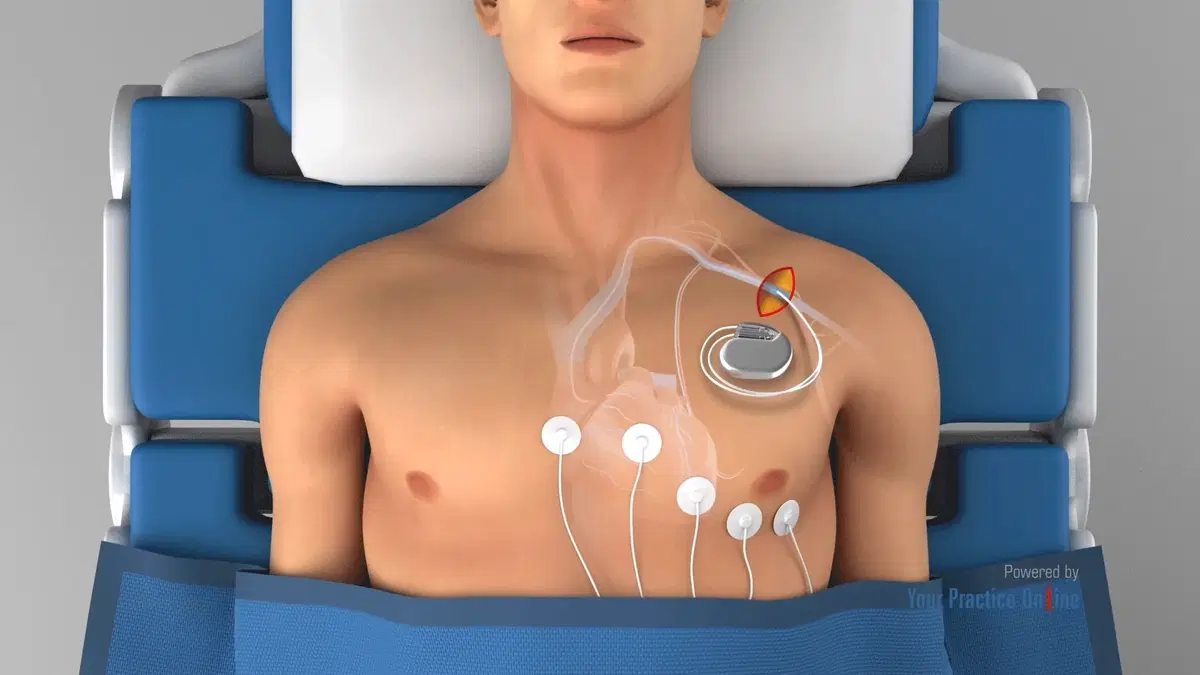
A pacemaker is an implanted cardiac device that helps regulate an abnormally slow heartbeat. The device usually consists of a pulse generator and one or more leads connected to the heart. The pulse generator contains the battery and electronic circuitry. When the pacemaker detects that the heart rate has fallen below a programmed level, it can send a small electrical impulse to stimulate a heartbeat. Modern pacemakers continuously monitor cardiac rhythm and respond according to programmed settings.
Who May Need a Pacemaker?
A pacemaker may be recommended when the heart’s natural electrical system cannot maintain an appropriate rhythm.
Common indications include symptomatic bradycardia, certain forms of heart block, sinus node dysfunction, and selected conduction disorders.
Symptoms can include dizziness, fainting, fatigue, weakness, shortness of breath, or reduced exercise tolerance.
Some patients may have significant electrical abnormalities without obvious symptoms.
The decision to implant a pacemaker is based on rhythm findings, clinical symptoms, and the expected risk of untreated conduction disease.
What Is Bradycardia?
Bradycardia means that the heart is beating more slowly than expected.
A slow heart rate is not always abnormal. Athletes and healthy individuals can naturally have relatively low resting heart rates.
Treatment becomes relevant when bradycardia results from electrical conduction disease and causes inadequate blood flow or symptoms.
Possible symptoms include dizziness, fainting, tiredness, confusion, and exercise intolerance.
An ECG, Holter monitor, event recorder, or longer-term rhythm monitoring can help determine whether symptoms are related to a slow heart rhythm.
What Is Heart Block?
Heart block occurs when electrical signals between the upper and lower chambers of the heart are delayed or interrupted.
Different degrees of heart block can occur.
Some forms cause minimal clinical problems, while advanced conduction block can lead to very slow heart rates and fainting.
Complete heart block prevents normal electrical signals from reaching the ventricles.
A permanent pacemaker may be required when clinically significant heart block is persistent or carries a substantial risk of serious bradycardia.
What Is Sinus Node Dysfunction?
Sinus node dysfunction develops when the heart’s natural pacemaker does not generate electrical impulses normally.
The condition can cause persistent bradycardia, pauses between heartbeats, or alternating slow and fast rhythms.
Some patients experience dizziness, fatigue, fainting, or reduced exercise capacity.
Pacemaker implantation may be considered when symptoms are linked to clinically important sinus node dysfunction.
The device does not necessarily treat accompanying fast rhythms, so additional medication or rhythm management may sometimes be required.
How Is Pacemaker Implantation Performed?
Conventional pacemaker implantation is generally performed through a small incision below the collarbone.
A vein is accessed, and one or more pacemaker leads are guided toward the heart using imaging.
The leads are positioned in appropriate heart chambers and tested to confirm electrical performance.
They are then connected to the pulse generator, which is usually placed beneath the skin or chest tissue.
The incision is closed after device function and lead position are confirmed.
The procedure is commonly performed using local anesthesia with sedation.
What Is a Single-Chamber Pacemaker?
A single-chamber pacemaker uses one lead to stimulate one heart chamber.
The lead is commonly positioned in the right ventricle, although specific configurations depend on the rhythm disorder.
Single-chamber pacing may be suitable for selected patients whose electrical problem does not require coordination between both upper and lower heart chambers.
Device selection is individualized because pacing needs differ according to rhythm, conduction pattern, age, and underlying cardiac disease.
What Is a Dual-Chamber Pacemaker?
A dual-chamber pacemaker usually uses one lead in the right atrium and another in the right ventricle.
This configuration allows the device to coordinate electrical activity between the upper and lower chambers.
Dual-chamber pacing can more closely reproduce normal atrioventricular timing in selected patients.
It may be used for sinus node dysfunction, atrioventricular block, or other conduction disorders.
The choice between single- and dual-chamber pacing depends on the patient’s rhythm and expected pacing requirements.
What Is a Leadless Pacemaker?
A leadless pacemaker is a compact device implanted directly inside the heart without conventional pacing leads or a chest pocket.
It is usually delivered through a catheter inserted through a large vein, commonly from the groin.
The device is positioned within the right ventricle and provides pacing from inside the heart.
Leadless systems can avoid complications associated with traditional leads and device pockets.
However, they are not suitable for every pacing requirement, particularly when more complex multi-chamber coordination is needed.
What Is Cardiac Resynchronization Therapy?
Cardiac Resynchronization Therapy, or CRT, is a specialized pacing treatment used for selected patients with heart failure and electrical conduction delay.
The system stimulates the heart in a coordinated way to improve ventricular contraction.
CRT typically involves leads positioned to influence both sides of the ventricular activation pattern.
It differs from a standard pacemaker because its primary objective is not only to prevent slow heart rates.
Patient selection depends on heart function, ECG findings, symptoms, and the type of conduction abnormality.
What Happens Before Pacemaker Implantation?
Evaluation before pacemaker implantation typically includes an ECG and detailed rhythm assessment.
Holter monitoring or longer-term cardiac monitoring may be needed if rhythm abnormalities are intermittent.
Echocardiography can evaluate heart structure and pumping function.
Blood tests may assess kidney function, blood count, electrolytes, and other factors relevant to the procedure.
Current medications are also reviewed.
Anticoagulant or antiplatelet treatment may require individualized management before implantation to balance bleeding and clotting risks.
Is Pacemaker Surgery Painful?
Pacemaker implantation is generally performed with local anesthesia at the incision site.
Sedative medication can also be used to improve comfort.
Patients may feel pressure during the procedure but should not experience significant pain at the surgical area.
Mild soreness or tenderness around the device pocket can occur after implantation.
This discomfort generally decreases during early recovery.
Pain that becomes increasingly severe or is accompanied by swelling, redness, fever, or drainage should be evaluated because it may indicate a complication.
What Are the Risks of Pacemaker Implantation?
Pacemaker implantation is a commonly performed procedure, but complications are possible.
These can include bleeding, bruising, infection, blood vessel injury, lead displacement, pneumothorax, or problems with device function.
Rarely, a pacing lead can cause perforation of cardiac tissue.
Long-term complications can include lead damage, device-pocket problems, or infection involving the pacemaker system.
Risk varies according to age, vascular anatomy, medications, previous devices, associated diseases, and the complexity of the implantation.
How Long Is Recovery After Pacemaker Implantation?
Recovery after uncomplicated pacemaker implantation is usually relatively short.
Patients are monitored after the procedure to evaluate heart rhythm, wound condition, and device function.
Arm movement on the implantation side may be temporarily restricted, particularly excessive lifting or raising the arm forcefully above shoulder level.
These precautions help reduce stress on newly implanted leads.
Normal walking and light daily activities can usually resume progressively.
Return to more strenuous activities depends on wound healing, lead stability, and cardiology assessment.
How Is a Pacemaker Programmed?
Pacemakers can be programmed externally without another surgical procedure.
A specialized programmer communicates with the implanted device and allows the cardiology team to adjust pacing settings.
Programming can include minimum heart rate, pacing mode, sensitivity, and rate-response features.
Settings are individualized according to the patient’s natural rhythm and activity requirements.
Device interrogation also provides information about battery status, lead function, recorded rhythm events, and the percentage of heartbeats supported by the pacemaker.
How Long Does a Pacemaker Battery Last?
Pacemaker batteries usually function for several years, but lifespan varies according to device type and pacing requirements.
Battery consumption is influenced by how frequently the pacemaker stimulates the heart, programmed output, lead performance, and device features.
Battery status is monitored during routine device checks.
The pacemaker does not suddenly stop when the battery approaches depletion.
Modern devices provide advance warning, allowing replacement of the pulse generator to be planned before battery capacity becomes insufficient.
Can You Use Electronic Devices With a Pacemaker?
Most everyday electronic devices can be used normally with a modern pacemaker.
Mobile phones, household appliances, and standard office equipment generally pose little risk when used appropriately.
Strong electromagnetic fields can interfere with pacemaker function in certain circumstances.
Patients should inform healthcare professionals about their implanted device before MRI scans, surgery, or procedures using electrical equipment.
Some modern pacemakers are MRI-conditional, meaning magnetic resonance imaging can be performed under specific device and monitoring requirements.
What Follow-Up Is Needed After Pacemaker Implantation?
Regular pacemaker follow-up is necessary throughout the life of the device.
Appointments evaluate battery status, pacing leads, programmed settings, heart rhythm, and recorded events.
Some devices can also transmit information remotely, allowing selected aspects of pacemaker performance to be reviewed without an in-person visit.
Follow-up frequency depends on the device, battery condition, symptoms, and underlying cardiac condition.
Patients should seek medical assessment if they experience unexplained fainting, persistent dizziness, palpitations, wound changes, or new cardiovascular symptoms.
Pacemaker in Turkey for International Patients
International patients considering pacemaker implantation in Turkey should provide previous cardiac records whenever available.
Useful documents may include ECG results, Holter recordings, echocardiography reports, previous electrophysiology evaluations, medication lists, and information about existing cardiac devices.
Treatment planning should identify the underlying rhythm disorder and determine whether a single-chamber, dual-chamber, leadless, or more advanced pacing system is appropriate.
Travel plans should allow time for implantation, early device checks, wound assessment, and confirmation of stable pacemaker function before returning home.
Pacemaker treatment in Turkey can include conventional pacing systems, dual-chamber devices, leadless pacemakers, and selected cardiac resynchronization systems. Accurate rhythm diagnosis, appropriate device selection, careful implantation, individualized programming, and long-term device monitoring remain central to pacemaker care.

You can send us messages regarding your appointments and requests.
 Send Message