

Mastectomy
Mastectomy in Turkey is a surgical procedure that removes breast tissue to treat or reduce the risk of breast cancer. The operation may involve one breast or both breasts, depending on diagnosis, disease extent, genetic risk, and treatment planning. Mastectomy can also be combined with lymph node surgery or breast reconstruction when clinically appropriate.

What Is a Mastectomy?
A mastectomy is surgery performed to remove most or all breast tissue. It is commonly used as part of breast cancer treatment when breast-conserving surgery is unsuitable or not preferred. The operation may be recommended for large tumors, multiple cancer areas, recurrent disease, or specific high-risk situations. Some patients with inherited cancer risk may also consider preventive mastectomy. Treatment planning usually combines imaging, pathology findings, tumor characteristics, breast anatomy, and overall health. These factors help define the most appropriate surgical approach.
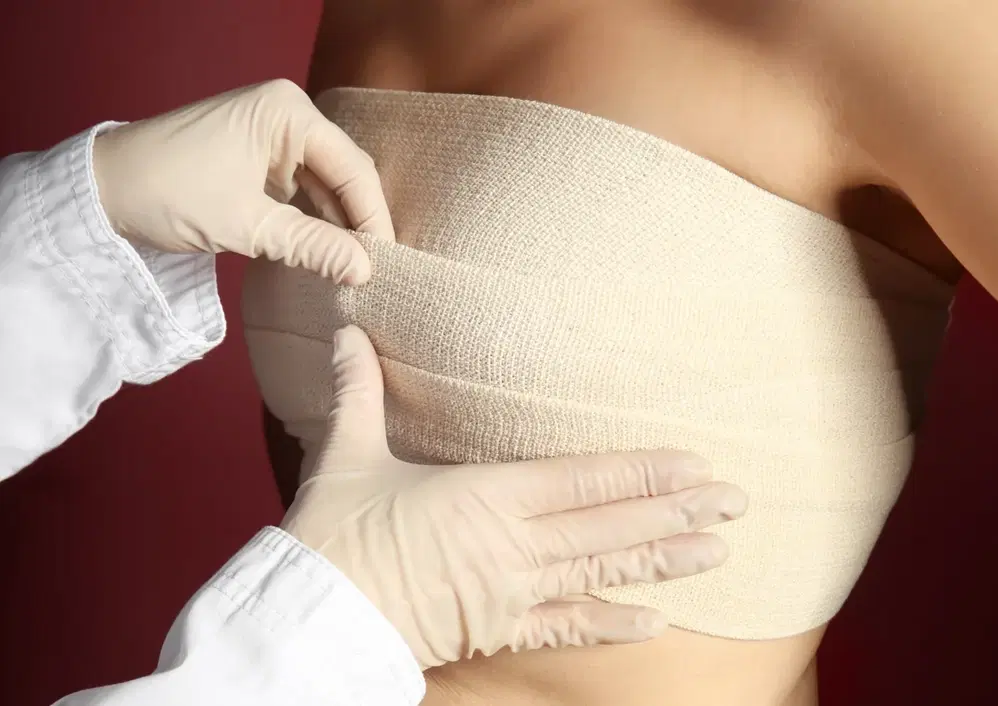
What Types of Mastectomy Are Performed?
Several mastectomy techniques are available, and each removes a different amount of tissue. Common options include total mastectomy, skin-sparing mastectomy, nipple-sparing mastectomy, and modified radical mastectomy.
A total mastectomy removes breast tissue and usually includes the nipple and areola. Skin-sparing surgery preserves more breast skin to support reconstruction.
Nipple-sparing mastectomy preserves the nipple-areola complex in selected patients when oncological criteria allow. Modified radical mastectomy also includes removal of breast tissue and selected lymph nodes.
The choice depends primarily on cancer location, stage, breast anatomy, and reconstruction plans.
When Is Mastectomy Recommended?
Mastectomy may be recommended when breast cancer cannot be adequately treated with breast-conserving surgery. It may also be considered when recurrence risk remains high.
Situations can include extensive ductal carcinoma in situ, multiple tumors in separate breast areas, large tumors relative to breast size, or previous radiation treatment.
Some patients choose mastectomy after discussing both breast-conserving surgery and complete breast removal. In these cases, treatment decisions should reflect oncological safety, personal priorities, and expected follow-up.
Preventive surgery requires a separate risk assessment and should not be treated like standard cancer surgery.
What Is Preventive Mastectomy?
Preventive mastectomy removes breast tissue before cancer develops in patients with a substantially increased lifetime risk. It is also called risk-reducing mastectomy.
This option may be considered when genetic testing identifies certain inherited mutations associated with breast cancer. A strong family history can also contribute to risk assessment.
Preventive surgery significantly reduces available breast tissue but cannot guarantee complete elimination of breast cancer risk. Small amounts of tissue may remain after surgery.
Genetic counselling, imaging, family history, and individual risk calculations usually contribute to decision-making before preventive mastectomy.
What Happens During Mastectomy Surgery?
Mastectomy is performed under general anesthesia. The surgeon removes breast tissue according to the planned procedure while preserving or removing skin and nipple structures as indicated.
Sentinel lymph node biopsy or axillary lymph node surgery may be performed during the same operation. These procedures help evaluate whether cancer has spread to nearby lymph nodes.
Drainage tubes are often placed temporarily to remove fluid from the surgical area. The incision is then closed, or reconstruction begins during the same operation.
Surgical duration depends on the mastectomy type, lymph node procedure, and whether reconstruction is performed immediately.
Mastectomy and Breast Reconstruction
Breast reconstruction can restore breast shape after mastectomy using implants, the patient’s own tissue, or a combination of methods. Reconstruction may be immediate or delayed.
Immediate reconstruction begins during the same operation as the mastectomy. Delayed reconstruction takes place after cancer treatment or recovery from the initial surgery.
The timing can depend on tumor characteristics, radiotherapy requirements, general health, and patient preference.
Not every patient chooses reconstruction. Some patients prefer a flat closure and do not undergo additional breast reconstruction surgery.
What Is Sentinel Lymph Node Biopsy?
Sentinel lymph node biopsy evaluates the first lymph nodes most likely to receive cancer cells from the breast. It can help determine whether lymphatic spread has occurred.
During surgery, the surgeon identifies and removes selected sentinel nodes for pathological examination. This approach may avoid more extensive lymph node removal when the sentinel nodes are negative.
When cancer is found in lymph nodes, further treatment decisions depend on several clinical factors.
Lymph node evaluation is therefore an important component of staging and treatment planning for many breast cancer patients.
What Is Recovery Like After Mastectomy?
Recovery after mastectomy commonly includes soreness, swelling, tightness, limited shoulder movement, and temporary numbness around the chest. Symptoms usually improve gradually.
Drainage tubes may remain in place for several days or longer, depending on fluid production. Patients receive instructions about wound care, drains, activity, and arm exercises.
Heavy lifting and strenuous activity are usually restricted during early healing. Shoulder movement exercises may help reduce stiffness and support functional recovery.
Recovery can take longer when mastectomy is combined with reconstruction or more extensive lymph node surgery.
What Are the Risks of Mastectomy?
Mastectomy carries surgical risks including bleeding, infection, fluid accumulation, wound-healing problems, pain, and changes in sensation. Seroma formation can occur after breast or lymph node surgery.
Lymph node procedures may increase the risk of arm swelling known as lymphoedema. Shoulder stiffness and reduced range of motion may also develop during recovery.
Skin or nipple tissue complications can occur after skin-sparing or nipple-sparing procedures.
Long-term effects vary according to surgical extent, reconstruction method, radiotherapy, and individual healing response.
Will Additional Cancer Treatment Be Needed?
Mastectomy does not automatically eliminate the need for other breast cancer treatments. Additional therapy depends on the cancer’s biological and pathological characteristics.
Chemotherapy, hormone therapy, targeted therapy, immunotherapy, or radiotherapy may still be recommended after surgery. Decisions depend on tumor size, lymph node involvement, receptor status, stage, and recurrence risk.
Pathology results from the mastectomy provide important information for postoperative planning.
The complete treatment pathway should therefore be considered before surgery rather than viewing mastectomy as an isolated procedure.
How Long Should International Patients Stay in Turkey?
International patients undergoing mastectomy in Turkey should allow enough time for surgery, early recovery, pathology review, and postoperative examinations. Travel timing depends on the operation’s extent.
Patients with drains may need continued local follow-up before international travel. Reconstruction can also increase the required recovery period.
Pathology results may influence recommendations for further cancer treatment. Coordination between surgical and oncology teams is particularly important when treatment continues after returning home.
Travel plans should therefore remain flexible until early postoperative recovery has been assessed.
Mastectomy in Turkey and Multidisciplinary Care
Mastectomy in Turkey should form part of a multidisciplinary breast cancer treatment plan rather than function as a standalone procedure. Surgical decisions often involve breast surgeons, oncologists, radiologists, pathologists, and reconstructive surgeons.
The treatment process may include diagnostic imaging, biopsy review, cancer staging, mastectomy, lymph node assessment, reconstruction, and additional oncological treatment.
Clear coordination becomes especially important for international patients because follow-up may continue in another country.
A structured treatment plan helps connect surgery with pathology results, further cancer therapy, rehabilitation, and long-term surveillance.

You can send us messages regarding your appointments and requests.
 Send Message