

Gastric Balloon
Gastric balloon in Turkey is a non-surgical weight-loss treatment that temporarily places an inflatable balloon inside the stomach to reduce available space and support earlier fullness. The procedure is generally considered for selected patients who need structured weight management but do not require or prefer bariatric surgery. Treatment planning should consider body mass index, eating habits, previous weight-loss attempts, gastrointestinal health, medications, and overall metabolic condition.

What Is a Gastric Balloon?
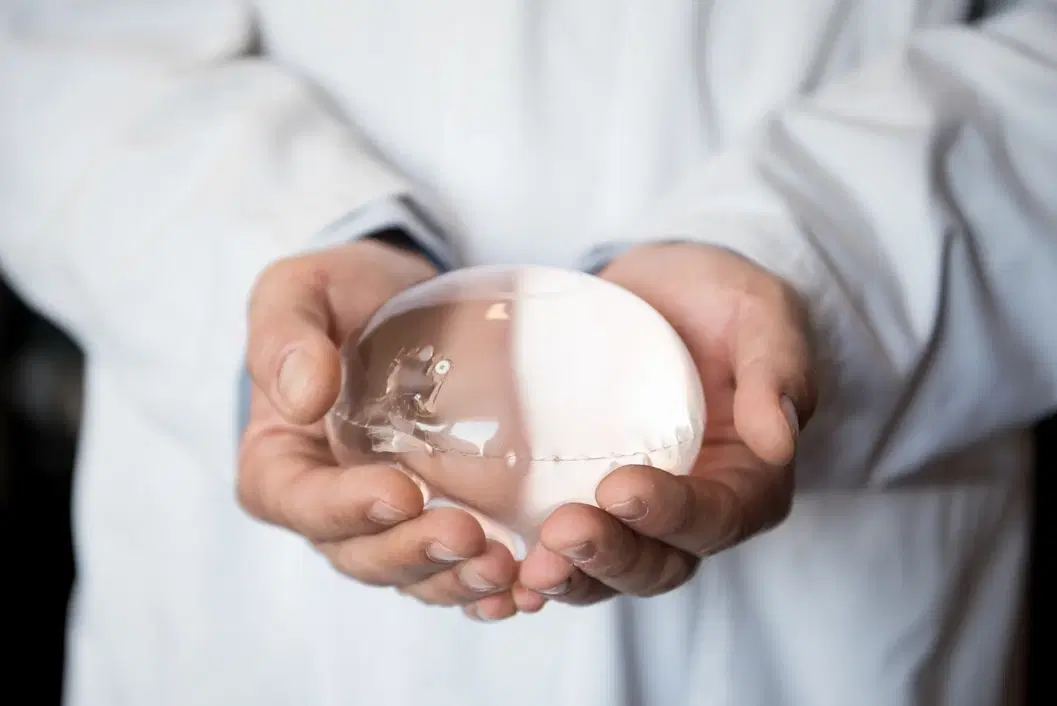
A gastric balloon is a temporary intragastric device designed to support weight loss by occupying part of the stomach. The balloon helps patients feel full after eating smaller portions and may reduce overall calorie intake. Unlike gastric sleeve or gastric bypass, the treatment does not permanently alter the digestive system. Most gastric balloons remain in the stomach for a defined treatment period before removal. The exact duration depends on the balloon type and treatment protocol.
Who May Be Suitable for a Gastric Balloon?
A gastric balloon may be considered for adults who need additional support with weight loss and meet appropriate medical criteria.
It is often evaluated in patients whose body mass index is above the healthy range but who may not require bariatric surgery.
Previous attempts with diet, exercise, or medical weight management are also considered.
Suitability depends on more than weight alone. Previous stomach surgery, active ulcers, severe reflux, pregnancy, bleeding disorders, or certain gastrointestinal conditions may affect eligibility.
How Does a Gastric Balloon Work?
A gastric balloon supports weight loss by reducing the amount of free space inside the stomach.
This can increase the sensation of fullness after smaller meals and may help reduce portion sizes.
Some patients also experience slower gastric emptying, depending on the device and individual physiology.
The balloon does not directly burn fat or permanently change metabolism.
Its effectiveness depends on how well the treatment is combined with dietary changes, physical activity, and structured behavioral support.
How Is a Gastric Balloon Inserted?
Many gastric balloons are placed using an endoscopic procedure.
A flexible endoscope is passed through the mouth into the stomach so the digestive tract can be examined.
The deflated balloon is then positioned inside the stomach and filled with saline or another approved filling material.
The procedure does not require abdominal incisions.
Some newer balloon systems can be swallowed and later filled without conventional endoscopic placement, although availability and suitability vary.
How Long Does the Procedure Take?
Gastric balloon placement is generally shorter than bariatric surgery because there is no surgical alteration of the stomach.
Endoscopic placement can often be completed within a relatively brief procedural period.
Patients are usually monitored afterward until sedation effects have reduced and early symptoms are controlled.
The total clinic or hospital stay depends on the balloon type, anesthesia method, recovery, and individual medical needs.
Same-day discharge may be possible in selected cases.
What Happens During the First Days?
The first few days after gastric balloon placement can involve significant digestive adjustment.
Nausea, vomiting, abdominal cramps, bloating, reflux, and reduced appetite are relatively common during the early period.
These symptoms often improve as the stomach adapts to the balloon.
Medication may be prescribed to control nausea, stomach acid, or discomfort.
Hydration is particularly important because repeated vomiting can increase the risk of dehydration.
Persistent or severe symptoms should be medically evaluated.
What Can You Eat After Gastric Balloon Placement?
Diet usually progresses gradually after balloon placement.
Patients commonly begin with liquids before moving to soft foods and then more regular textures.
Small portions are important because stomach capacity is temporarily reduced.
Eating too quickly can cause discomfort, nausea, or vomiting.
Protein-rich foods, vegetables, and balanced meals are generally emphasized during the weight-loss program.
High-calorie liquids, sugary drinks, and frequent snacking can reduce the effectiveness of the balloon despite its physical presence inside the stomach.
How Much Weight Can Be Lost With a Gastric Balloon?
Weight loss after a gastric balloon varies considerably between patients.
Results depend on starting weight, dietary adherence, activity level, metabolic health, balloon type, and the duration of treatment.
The balloon is intended to support calorie reduction rather than produce weight loss independently.
Patients who use the treatment period to establish sustainable eating habits are generally better positioned to maintain progress after removal.
Weight loss should therefore be evaluated as part of a broader behavioral and nutritional program.
How Long Does a Gastric Balloon Stay in the Stomach?
The treatment duration depends on the specific balloon system.
Some balloons are designed to remain in place for approximately six months, while others may be used for longer or shorter periods.
Temporary devices must be removed or managed according to their approved protocol.
Keeping a balloon beyond the recommended duration may increase complication risk.
Patients should understand the planned placement period and removal schedule before treatment begins.
How Is a Gastric Balloon Removed?
Most conventional gastric balloons are removed endoscopically.
The procedure generally involves passing an endoscope into the stomach, emptying the balloon, and withdrawing it through the mouth.
Sedation may be used during removal.
The stomach can also be examined for irritation or other abnormalities during the procedure.
Certain swallowable balloon systems are designed to empty and pass naturally after a defined period, depending on the device.
Removal planning should always follow the specific balloon protocol.
Is a Gastric Balloon Painful?
Gastric balloon placement itself is usually performed with sedation or another form of procedural comfort management.
The most noticeable discomfort often occurs after placement rather than during it.
Cramping, nausea, fullness, and pressure can develop while the stomach adjusts.
Symptoms are usually strongest during the early days.
Pain that becomes severe, persistent, or suddenly different from expected discomfort should not be ignored because it may indicate a complication.
What Are the Risks of a Gastric Balloon?
Gastric balloon treatment has potential risks despite being non-surgical.
Common problems include nausea, vomiting, reflux, abdominal discomfort, and intolerance of the device.
Less common complications can include dehydration, gastric ulcers, balloon deflation, migration, obstruction, or injury to the stomach or esophagus.
Rare complications may require urgent endoscopic or surgical treatment.
Careful patient selection and adherence to follow-up instructions can reduce avoidable risks.
Gastric Balloon vs Gastric Sleeve
A gastric balloon is temporary and does not permanently alter stomach anatomy.
Gastric sleeve surgery permanently removes a large portion of the stomach.
Sleeve gastrectomy usually produces greater average weight loss but also involves surgery, general anesthesia, and long-term anatomical change.
A gastric balloon may be more appropriate for selected patients seeking a reversible and less invasive intervention.
The two treatments should not be viewed as interchangeable because their indications, risks, and expected outcomes differ.
Gastric Balloon vs Gastric Bypass
Gastric bypass is a bariatric operation that creates a smaller stomach pouch and reroutes part of the intestine.
A gastric balloon leaves both the stomach and intestines anatomically intact.
Gastric bypass generally has stronger effects on weight loss and metabolic conditions but requires major surgery and long-term nutritional monitoring.
A balloon offers a temporary option with a different risk profile.
Treatment choice depends on obesity severity, metabolic disease, previous treatment, and individual clinical needs.
Can Weight Return After Gastric Balloon Removal?
Weight regain can occur after the balloon is removed.
The physical restriction created by the device disappears once treatment ends.
If previous eating patterns return, calorie intake can increase and lost weight may gradually return.
Long-term success therefore depends heavily on habits established during the balloon period.
Structured nutrition, physical activity, behavioral support, and ongoing weight monitoring can help patients maintain progress.
Some patients may later require medical weight management or another bariatric intervention.
Does a Gastric Balloon Affect Digestion?
A gastric balloon does not reroute the digestive system or remove part of the stomach.
Food continues through the normal gastrointestinal pathway.
However, the balloon can influence fullness and may alter how quickly the stomach empties.
Because the intestines are not bypassed, the risk of malabsorption is generally lower than after gastric bypass.
Nutritional problems can still develop if food intake becomes inadequate or persistent vomiting occurs.
Balanced nutrition remains important throughout treatment.
How Long Is Recovery After Gastric Balloon Placement?
Recovery is usually shorter than after bariatric surgery because no abdominal incisions are required.
However, patients may need several days to adapt to the balloon.
Nausea, cramps, fatigue, and reduced food intake can temporarily affect normal activities.
Return to work depends on symptom severity and the type of work performed.
Most recovery is related to gastrointestinal adaptation rather than wound healing.
Diet progression and hydration remain especially important during the first stage.
Gastric Balloon in Turkey for International Patients
International patients considering a gastric balloon in Turkey should understand that treatment extends beyond balloon placement.
Pre-treatment assessment may include medical history, BMI evaluation, gastrointestinal review, blood testing, and dietary assessment.
The care plan should also explain balloon type, expected duration, removal method, early side effects, medication, and nutrition.
Travel arrangements should allow enough time to manage initial nausea or intolerance before returning home.
Gastric balloon in Turkey can provide temporary, non-surgical support for weight management in appropriately selected patients. Long-term results depend on patient selection, dietary adaptation, behavioral changes, and structured follow-up after the balloon is removed.

You can send us messages regarding your appointments and requests.
 Send Message