

Cosmetic Facial Surgery
Cosmetic facial surgery in Turkey includes surgical procedures designed to reshape facial structures, address visible aging, and improve facial proportions. Treatment planning focuses on facial anatomy, skin characteristics, bone structure, soft tissues, and the patient’s aesthetic objectives. Turkey attracts international patients seeking facial plastic surgery because multiple procedures and specialized surgical services are available within established healthcare facilities.

What Is Cosmetic Facial Surgery?
Cosmetic facial surgery refers to surgical procedures that modify the appearance, proportions, or age-related characteristics of the face. These operations can target the nose, eyelids, ears, jawline, cheeks, forehead, neck, or several areas together. Unlike temporary aesthetic treatments, facial surgery changes underlying tissues or anatomical structures. Surgeons may reposition tissue, remove excess skin, reshape cartilage, adjust fat distribution, or modify bone structures. The selected approach depends on the specific facial area and treatment objective. A detailed facial assessment usually precedes surgery. This evaluation helps establish realistic surgical goals while considering facial symmetry, proportions, tissue quality, and existing anatomical features.
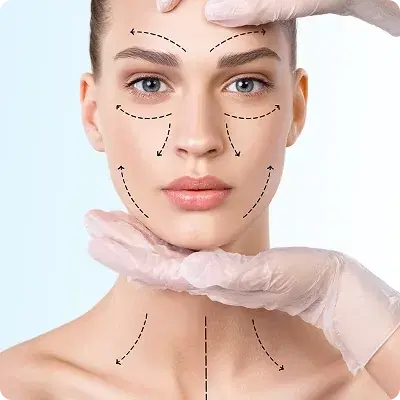
Which Cosmetic Facial Surgery Procedures Are Available in Turkey?
Cosmetic facial surgery in Turkey covers procedures addressing individual facial areas and broader signs of facial aging. Common options include rhinoplasty, facelift surgery, neck lift, eyelid surgery, brow lift, otoplasty, chin surgery, and facial fat transfer.
Rhinoplasty reshapes the nose while considering its relationship with other facial features. Blepharoplasty addresses excess skin or tissue around the upper or lower eyelids. Facelift procedures reposition facial tissues and remove selected excess skin to address sagging.
Chin and jaw procedures may change lower-face proportions. Otoplasty modifies prominent or asymmetrical ears. Some patients undergo combined procedures when several anatomical areas contribute to the same aesthetic concern.
Who May Consider Facial Plastic Surgery?
Facial plastic surgery may be considered by adults seeking structural changes or correction of age-related facial features. Suitable candidates generally have specific concerns that can reasonably be addressed through surgical intervention.
The assessment considers overall health, facial anatomy, skin elasticity, previous procedures, medications, smoking status, and expectations. These factors can influence surgical planning, recovery, and potential risks.
Age alone does not determine suitability for cosmetic facial surgery. A younger patient may consider rhinoplasty or otoplasty, while facial rejuvenation procedures commonly address changes associated with aging. Individual anatomy remains central to treatment selection.
How Is Cosmetic Facial Surgery Planned?
Cosmetic facial surgery planning begins with an anatomical assessment and a clear definition of the intended changes. Facial proportions are evaluated together rather than treating each feature as an isolated structure.
During planning, factors such as facial width, profile, skin thickness, tissue position, skeletal proportions, and symmetry may be examined. Previous facial surgery or non-surgical treatments can also affect the surgical approach.
Photographs may support preoperative analysis and communication about treatment objectives. When several procedures are considered, the surgical plan determines whether they can be combined appropriately or should be performed separately.
What Happens During Facial Cosmetic Surgery?
The surgical process varies considerably according to the procedure and anatomical area being treated. Some operations involve cartilage or bone reshaping, while others primarily reposition skin, fat, muscles, or deeper facial tissues.
Anesthesia requirements also depend on procedural complexity and expected surgical duration. Incision placement is planned according to the operation while considering anatomical access and scar visibility.
After the required structural changes are completed, incisions are carefully closed. Dressings, supportive garments, splints, or other postoperative materials may be used depending on the procedure.
How Long Is Recovery After Cosmetic Facial Surgery?
Recovery after cosmetic facial surgery varies according to the procedure, surgical extent, and individual healing response. Swelling, bruising, tightness, sensitivity changes, and temporary discomfort can occur during early recovery.
Some procedures allow a relatively short return to routine activities. More extensive facial or neck surgery can require a longer recovery period. Visible swelling often decreases progressively rather than disappearing immediately.
Patients should follow postoperative instructions concerning wound care, physical activity, sleeping position, sun exposure, and prescribed medication. Final tissue settling can continue after the initial recovery period, particularly following structural facial procedures.
Are There Risks Associated With Facial Surgery?
Cosmetic facial surgery carries potential risks because every surgical procedure affects living tissues and requires a healing period. Possible complications include infection, bleeding, scarring, asymmetry, prolonged swelling, sensation changes, wound-healing problems, or anesthesia-related complications.
Procedure-specific risks may also occur. Rhinoplasty, eyelid surgery, facelift surgery, and facial bone procedures involve different anatomical structures and therefore have different risk profiles.
Preoperative assessment helps identify factors that could influence surgical risk. Following postoperative care instructions also supports appropriate healing and allows potential complications to be evaluated promptly.
Why Do International Patients Choose Cosmetic Facial Surgery in Turkey?
Turkey has developed a substantial international healthcare sector offering cosmetic facial procedures to patients from different countries. Istanbul represents a major destination because it combines international transportation links with a broad concentration of private healthcare facilities.
International treatment planning may include online preliminary consultations, medical assessments, surgery, postoperative checks, and accommodation arrangements. However, the clinical aspects of treatment should remain separate from travel convenience.
Patients researching cosmetic facial surgery in Turkey should examine the planned procedure, surgeon qualifications, healthcare facility standards, postoperative care arrangements, and communication process before making treatment decisions.
How Long Should You Stay in Turkey After Facial Surgery?
The required stay in Turkey depends primarily on the type and extent of facial surgery performed. Postoperative appointments may be necessary for wound assessment, dressing changes, splint removal, or evaluation of early healing.
Minor procedures can involve shorter monitoring periods, while more extensive operations may require additional postoperative observation. International patients should avoid planning departure solely around tourism schedules.
Adequate recovery time provides an opportunity for early postoperative assessment before international travel. The recommended travel date should therefore reflect the surgical procedure, healing progress, and required follow-up schedule.
Cosmetic Facial Surgery in Turkey: Treatment Planning Matters
Cosmetic facial surgery in Turkey provides access to procedures addressing facial proportions, structural features, and age-related changes. Effective treatment planning requires careful evaluation of anatomy, surgical objectives, potential risks, recovery requirements, and postoperative follow-up.
Patients considering facial surgery should approach treatment as a medical and surgical process rather than focusing exclusively on appearance. Understanding the selected procedure, expected recovery, limitations, and follow-up requirements creates a clearer framework for making an informed treatment decision.

You can send us messages regarding your appointments and requests.
 Send Message