

Coronary Artery Bypass Grafting (CABG)
Coronary Artery Bypass Grafting (CABG) in Turkey is a heart surgery used to improve blood flow when one or more coronary arteries are severely narrowed or blocked. The procedure creates new pathways around obstructed arteries using healthy blood vessels from another part of the body. Treatment planning depends on coronary anatomy, number and location of blockages, heart function, symptoms, previous interventions, and overall cardiovascular risk.

What Is CABG Surgery?
Coronary Artery Bypass Grafting is an operation used to treat significant coronary artery disease. The coronary arteries supply oxygen-rich blood to the heart muscle. When these arteries become narrowed by atherosclerosis, blood flow can decrease. During CABG, the surgeon attaches healthy blood vessels above and below blocked areas to create alternative routes for blood circulation. The operation does not remove the underlying atherosclerosis. It redirects blood around selected obstructions to improve myocardial blood supply.
Who May Need Coronary Bypass Surgery?
CABG may be considered when coronary artery disease is extensive or unsuitable for treatment with medication or stenting alone.
Patients with significant narrowing in several coronary arteries may be candidates.
Surgery may also be considered when important arteries, such as the left main coronary artery, are severely narrowed.
Diabetes, reduced heart function, complex coronary anatomy, recurrent symptoms, and previous unsuccessful interventions can also influence treatment decisions.
The choice between CABG and percutaneous coronary intervention depends on the complete cardiovascular assessment.
How Is Coronary Artery Disease Diagnosed?
Diagnosis begins with symptoms, medical history, physical examination, and cardiovascular risk assessment.
Chest pressure, shortness of breath, reduced exercise tolerance, or other symptoms may suggest reduced coronary blood flow.
Tests can include ECG, echocardiography, exercise testing, CT coronary angiography, and invasive coronary angiography.
Coronary angiography is particularly important before bypass surgery because it shows the location and severity of arterial narrowing.
The findings help determine how many bypass grafts may be required.
Which Blood Vessels Are Used for CABG?
Different blood vessels can be used as bypass grafts.
The internal mammary artery, located inside the chest, is commonly used because of its long-term durability.
The radial artery from the forearm may also be suitable in selected patients.
Segments of the saphenous vein from the leg are another frequently used option.
The number and type of grafts depend on coronary anatomy, vessel quality, previous surgery, and the number of arteries requiring bypass.
What Is a Triple or Quadruple Bypass?
Terms such as double, triple, or quadruple bypass describe the number of coronary arteries receiving bypass grafts.
A triple bypass generally means that three separate coronary targets are bypassed.
A quadruple bypass involves four grafted targets.
These terms do not directly describe disease severity because the location and importance of each blockage also matter.
The objective is to restore blood flow to clinically significant areas of heart muscle rather than simply maximize the number of grafts.
How Is CABG Surgery Performed?
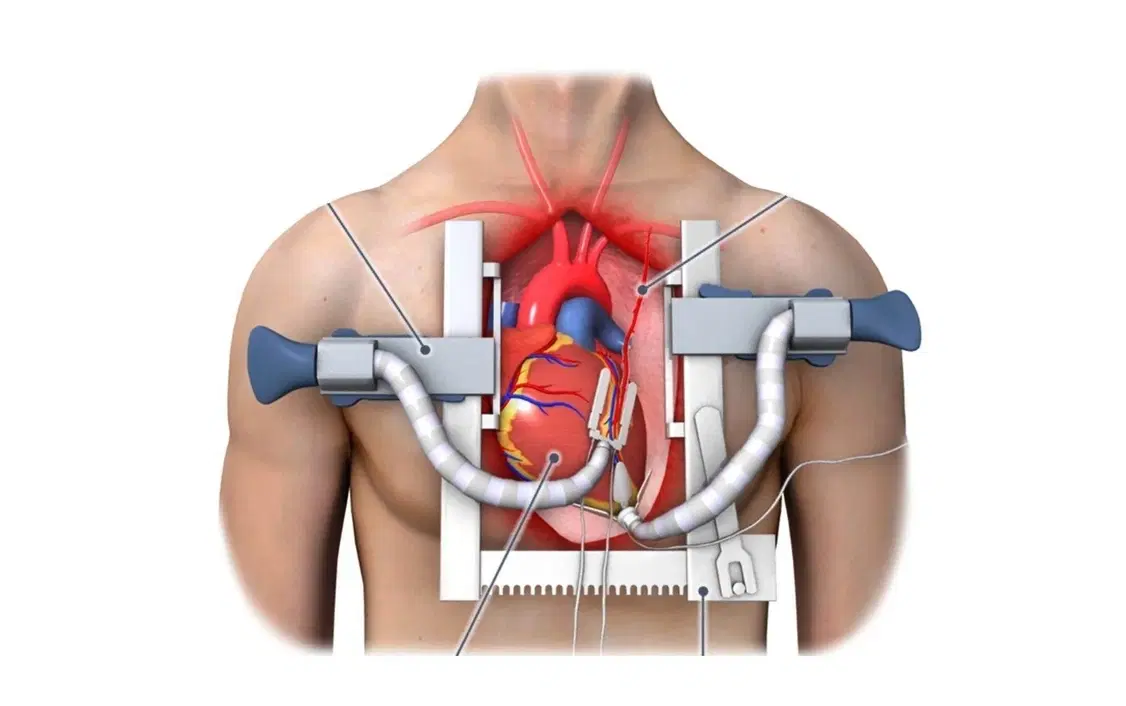
Traditional CABG is usually performed through an incision in the chest.
The breastbone may be divided to provide access to the heart.
The surgeon prepares suitable graft vessels and connects them to the coronary circulation beyond areas of narrowing.
Many operations use a cardiopulmonary bypass machine, which temporarily supports blood circulation and oxygenation while the heart is stopped.
After the grafts are completed, normal heart function is restored and the chest is closed.
What Is On-Pump CABG?
On-pump CABG uses a heart-lung machine during the operation.
The machine temporarily takes over circulation while the surgeon performs the coronary bypasses.
This allows the heart to remain still during graft placement.
On-pump surgery is widely used for complex coronary procedures and when several grafts are required.
The technique also allows additional cardiac procedures, such as valve surgery, to be performed during the same operation when necessary.
Suitability depends on the complete surgical plan.
What Is Off-Pump CABG?
Off-pump CABG is performed while the heart continues beating.
Special stabilization devices help keep the targeted area relatively still while grafts are attached.
Because the heart-lung machine is not used, this technique is sometimes called beating-heart bypass surgery.
Off-pump CABG may be considered for selected patients and coronary anatomy.
It is not automatically safer or more effective for every case.
The surgical approach depends on technical feasibility, disease complexity, and expected long-term graft quality.
What Is Minimally Invasive CABG?
Minimally invasive CABG uses smaller chest incisions instead of a complete median sternotomy.
Selected patients with suitable coronary anatomy may undergo minimally invasive direct coronary artery bypass.
These approaches can reduce the extent of chest wall disruption and may support faster early recovery.
However, they are not appropriate when multiple complex grafts or additional cardiac procedures are required.
Complete and durable coronary revascularization remains more important than incision size when selecting the surgical approach.
CABG vs Coronary Stent
CABG and coronary stenting both aim to restore blood flow but use different methods.
Stenting opens narrowed arteries from inside the blood vessel using a catheter-based procedure.
CABG creates new blood-flow pathways around the narrowed segments.
Stenting usually involves a shorter initial recovery period.
CABG may provide advantages in selected patients with extensive multivessel disease, complex anatomy, or diabetes.
The most appropriate strategy depends on coronary anatomy, symptoms, heart function, age, associated diseases, and expected long-term benefit.
What Happens Immediately After CABG?
Patients are usually transferred to an intensive care unit after surgery.
Heart rhythm, blood pressure, oxygen levels, bleeding, kidney function, and other vital parameters are monitored closely.
Temporary breathing support may be used until the patient is ready to breathe independently.
Chest drainage tubes and intravenous lines are commonly present during early recovery.
Patients gradually begin sitting, walking, breathing exercises, and eating as their condition stabilizes.
Hospital discharge depends on overall recovery and the absence of major complications.
What Are the Risks of CABG Surgery?
CABG is major heart surgery and carries potential complications.
Risks can include bleeding, wound infection, arrhythmia, blood clots, stroke, heart attack, kidney problems, or respiratory complications.
Atrial fibrillation can occur temporarily after surgery.
Some patients may develop complications at the chest or leg incision sites.
Individual risk is influenced by age, diabetes, kidney function, lung disease, heart function, previous surgery, and the urgency of the operation.
How Long Is Recovery After CABG?
Recovery usually continues for several weeks after hospital discharge.
Fatigue, reduced exercise tolerance, chest discomfort, and appetite changes may occur during the early period.
Walking is gradually increased according to recovery progress.
When the breastbone has been divided, lifting restrictions are generally required while it heals.
Return to work varies according to occupation and physical demands.
Follow-up assesses wound healing, heart function, medications, symptoms, and cardiovascular rehabilitation needs.
What Is Cardiac Rehabilitation After Bypass Surgery?
Cardiac rehabilitation is an important part of recovery after CABG.
It combines structured physical activity with cardiovascular education and risk-factor management.
Exercise intensity is increased gradually according to heart function and general fitness.
Rehabilitation may also address diet, smoking cessation, blood pressure, cholesterol, diabetes, and medication adherence.
CABG treats significant coronary blockages, but it does not prevent atherosclerosis from progressing elsewhere.
Long-term cardiovascular prevention therefore remains necessary after successful surgery.
Which Medications Are Used After CABG?
Medication remains important after coronary bypass surgery.
Antiplatelet treatment is commonly used to reduce the risk of clot formation.
Cholesterol-lowering medications can help slow the progression of atherosclerosis.
Blood pressure medications may be required depending on cardiovascular status.
Patients with diabetes need continued glucose management.
Medication plans vary according to graft type, heart function, previous heart attack, rhythm problems, and other conditions.
Prescribed cardiovascular medications should not be stopped without medical guidance.
How Long Do Bypass Grafts Last?
Bypass graft durability varies according to the type of vessel used and individual cardiovascular risk factors.
Arterial grafts, particularly internal mammary artery grafts, generally have different long-term characteristics from vein grafts.
Atherosclerosis can also develop in native coronary arteries and graft vessels over time.
Smoking, high cholesterol, diabetes, hypertension, and inactivity can influence future cardiovascular risk.
Long-term medication, lifestyle management, and cardiology follow-up are therefore important even when the initial surgical result is satisfactory.
Coronary Artery Bypass Grafting in Turkey for International Patients
International patients considering CABG in Turkey should provide complete cardiovascular records before surgical planning.
Useful documents may include coronary angiography images, CT scans, echocardiography reports, ECG results, previous stent records, blood tests, and current medications.
Travel planning should include time for preoperative assessment, surgery, hospitalization, early recovery, and postoperative evaluation before returning home.
Coronary Artery Bypass Grafting in Turkey can provide surgical revascularization for selected patients with significant coronary artery disease. Accurate coronary assessment, appropriate graft selection, careful surgical technique, postoperative monitoring, and long-term cardiovascular prevention remain central to CABG care.

You can send us messages regarding your appointments and requests.
 Send Message