

Bone Marrow Transplant
Bone marrow transplant in Turkey is a treatment used for selected blood cancers, bone marrow disorders, immune diseases, and other hematological conditions. The procedure replaces damaged or abnormal blood-forming stem cells with healthy hematopoietic stem cells. Treatment planning depends on the underlying disease, disease stage, patient age, organ function, donor availability, previous therapies, and transplant-related risk.

What Is a Bone Marrow Transplant?
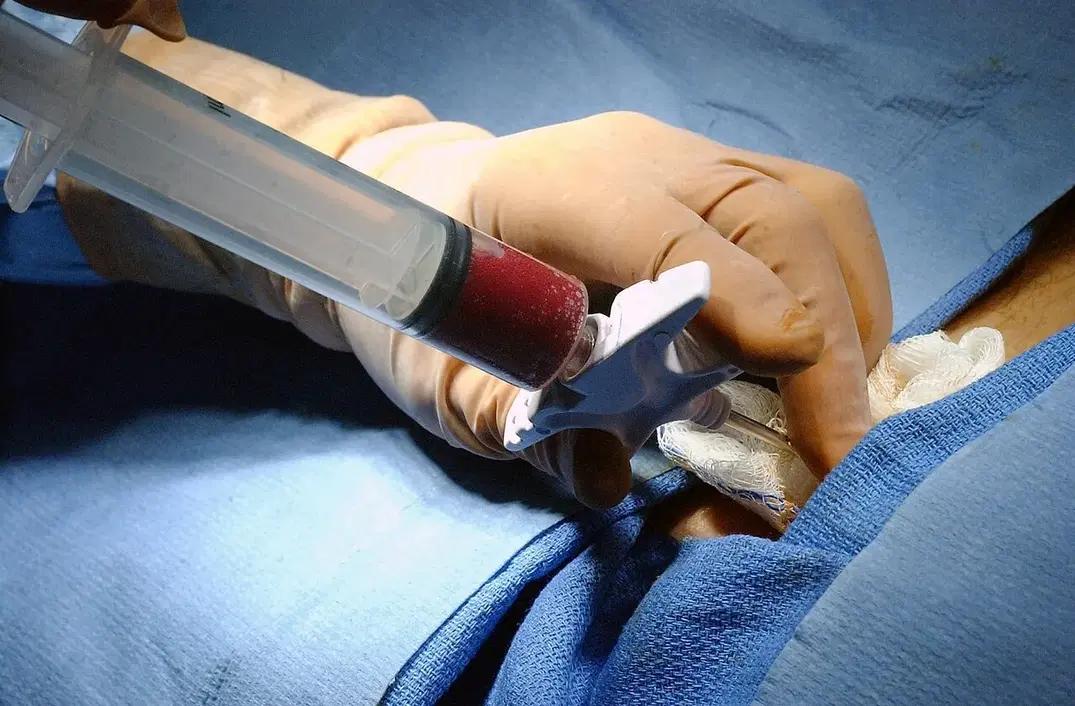
A bone marrow transplant is a medical procedure that replaces unhealthy blood-forming stem cells with functional stem cells. These stem cells produce red blood cells, white blood cells, and platelets inside the bone marrow. Although the term “bone marrow transplant” is still widely used, many procedures are now described as hematopoietic stem cell transplantation. Stem cells may be collected from bone marrow, peripheral blood, or umbilical cord blood, depending on the transplant type and clinical situation.
Which Diseases Can Be Treated With Bone Marrow Transplantation?
Bone marrow transplantation may be used for selected malignant and non-malignant hematological diseases.
Common indications include leukemia, lymphoma, multiple myeloma, myelodysplastic syndromes, aplastic anemia, and selected inherited blood disorders.
Some immune system and metabolic diseases may also be treated with stem cell transplantation.
Not every patient with these conditions requires a transplant.
The decision depends on disease biology, response to previous treatment, relapse risk, donor availability, and whether transplantation offers an appropriate balance of potential benefit and risk.
What Is an Autologous Bone Marrow Transplant?
An autologous transplant uses the patient’s own previously collected stem cells.
Stem cells are collected before high-dose chemotherapy and stored until they are needed.
The patient then receives intensive treatment designed to destroy remaining cancer cells or abnormal bone marrow cells.
After conditioning treatment, the stored stem cells are returned through an intravenous infusion.
Autologous transplantation is commonly used for selected cases of multiple myeloma and lymphoma.
Because the patient receives their own cells, graft-versus-host disease does not occur.
What Is an Allogeneic Bone Marrow Transplant?
An allogeneic transplant uses stem cells obtained from another person.
The donor may be a matched sibling, another family member, an unrelated donor, or a partially matched donor.
Allogeneic transplantation can replace diseased bone marrow and may also create an immune effect against remaining cancer cells.
This is known as the graft-versus-tumor or graft-versus-leukemia effect.
However, allogeneic transplantation also carries additional risks, including graft-versus-host disease, infections, and complications related to immune suppression.
How Is a Stem Cell Donor Matched?
Donor matching primarily evaluates human leukocyte antigen, or HLA, compatibility.
HLA markers help the immune system distinguish the body’s own cells from foreign cells.
A closer HLA match can reduce the risk of certain transplant complications.
Blood type does not need to be identical in every stem cell transplant.
Potential donors undergo blood tests and medical assessment before donation.
When a fully matched sibling is unavailable, unrelated donor registries or haploidentical family donors may provide alternative options for selected patients.
Where Are Stem Cells Collected From?
Stem cells used in transplantation can come from peripheral blood, bone marrow, or umbilical cord blood.
Peripheral blood stem cells are collected through a process called apheresis after medications increase the number of stem cells circulating in the blood.
Bone marrow collection involves removing marrow from the pelvic bones under anesthesia.
Cord blood is obtained from donated umbilical cord blood after childbirth.
The stem cell source can influence engraftment speed, immune recovery, and the risk of transplant-related complications.
What Is Conditioning Before a Bone Marrow Transplant?
Conditioning is the treatment given before stem cell infusion.
It may include high-dose chemotherapy, radiotherapy, or combinations of medications.
The purpose depends on the disease and transplant type.
Conditioning can destroy cancer cells, suppress the recipient’s immune system, and create space for donor stem cells to establish themselves.
Some patients receive myeloablative conditioning, while others receive reduced-intensity conditioning.
The selected regimen depends on disease characteristics, age, previous treatment, and overall health.
What Happens During the Transplant Procedure?
The actual stem cell infusion is usually performed through an intravenous catheter.
The process can resemble a blood transfusion and does not require surgical implantation of the cells into the bones.
After infusion, the stem cells travel through the bloodstream and migrate to the bone marrow.
They then begin producing new blood cells.
Patients remain under close observation because blood counts can remain very low until the transplanted cells begin functioning.
This period carries an increased risk of infection and bleeding.
What Is Engraftment?
Engraftment occurs when transplanted stem cells begin producing new blood cells successfully.
White blood cell recovery is often one of the first signs of engraftment.
Platelet and red blood cell recovery may take longer.
Blood tests are performed frequently to monitor progress.
The time required for engraftment depends on the stem cell source, transplant type, conditioning regimen, and individual biological factors.
Successful engraftment is an important early milestone, but immune system recovery continues for much longer.
What Is Graft-Versus-Host Disease?
Graft-versus-host disease, or GVHD, is a complication that can occur after allogeneic stem cell transplantation.
It develops when donor immune cells recognize the recipient’s tissues as foreign and attack them.
GVHD may affect the skin, digestive system, liver, lungs, eyes, or other organs.
It may be classified as acute or chronic depending on its clinical characteristics.
Preventive immunosuppressive medications are commonly used after allogeneic transplantation.
GVHD severity varies significantly and may require additional immune-suppressing treatment.
What Are the Risks of Bone Marrow Transplantation?
Bone marrow transplantation is an intensive treatment with potentially serious complications.
Risks include infection, bleeding, anemia, organ toxicity, graft failure, GVHD, infertility, and complications related to chemotherapy or radiotherapy.
Patients may also experience nausea, mouth sores, fatigue, appetite changes, and temporary hair loss.
Long-term effects can include hormonal problems, secondary cancers, bone health changes, or chronic GVHD.
The risk profile differs substantially between autologous and allogeneic transplantation.
How Long Is Recovery After a Bone Marrow Transplant?
Recovery after bone marrow transplantation occurs gradually over several months.
The early phase focuses on engraftment, infection prevention, blood count recovery, and management of treatment-related side effects.
Even after blood counts improve, the immune system can remain weakened.
Patients may need to avoid crowded environments, certain foods, and exposure to infections during early recovery.
Vaccinations may also need to be repeated according to a structured schedule because previous immunity can be reduced after transplantation.
What Follow-Up Is Needed After Transplantation?
Follow-up after transplantation includes regular blood tests, disease monitoring, infection screening, and assessment of organ function.
Allogeneic transplant recipients may also require monitoring for GVHD and adjustment of immunosuppressive medications.
Bone marrow tests or molecular assessments may be used to evaluate remission and donor-cell activity.
Some patients require long-term monitoring for endocrine, cardiac, pulmonary, or fertility-related effects.
Follow-up schedules become less intensive over time when recovery remains stable.
Can Bone Marrow Transplantation Cure Blood Cancer?
Bone marrow transplantation can provide long-term disease control or cure in selected hematological cancers, but outcomes vary considerably.
Success depends on the specific disease, disease stage, response before transplant, donor compatibility, patient health, and transplant-related complications.
Relapse can still occur after transplantation.
In allogeneic transplantation, donor immune cells may help eliminate remaining malignant cells through the graft-versus-tumor effect.
Treatment decisions therefore require careful evaluation of both potential benefits and significant risks.
Bone Marrow Transplant in Turkey for International Patients
International patients considering a bone marrow transplant in Turkey should provide complete hematology records before treatment planning.
Relevant documents may include pathology reports, bone marrow biopsy results, molecular tests, previous chemotherapy records, imaging, HLA results, and infection screening.
The treatment pathway may involve several weeks of hospitalization followed by continued monitoring near the transplant center.
Allogeneic transplantation can require particularly close follow-up because immune complications may develop after discharge.
Bone marrow transplant in Turkey can include autologous and allogeneic stem cell transplantation for selected hematological diseases. Accurate disease assessment, donor matching, conditioning, infection prevention, engraftment monitoring, and long-term follow-up remain essential parts of the transplant process.

You can send us messages regarding your appointments and requests.
 Send Message