

Liposuction
Liposuction in Turkey is a body contouring procedure that removes localized fat deposits to improve the shape and proportions of specific body areas. It is commonly performed on the abdomen, waist, hips, thighs, arms, back, chin, and other regions where resistant fat remains despite weight management. Liposuction is not a weight-loss treatment and does not replace healthy nutrition or regular physical activity.

What Is Liposuction?
Liposuction is a cosmetic surgical procedure that removes selected subcutaneous fat through thin instruments called cannulas. The surgeon creates small incisions, introduces the cannula beneath the skin, and removes fat using controlled suction. The procedure focuses on contour rather than overall body weight. It can reduce disproportionate fat deposits and create smoother transitions between adjacent body areas. Treatment planning depends on fat distribution, skin elasticity, tissue quality, body proportions, and the amount of fat targeted for removal.
Which Areas Can Be Treated With Liposuction?
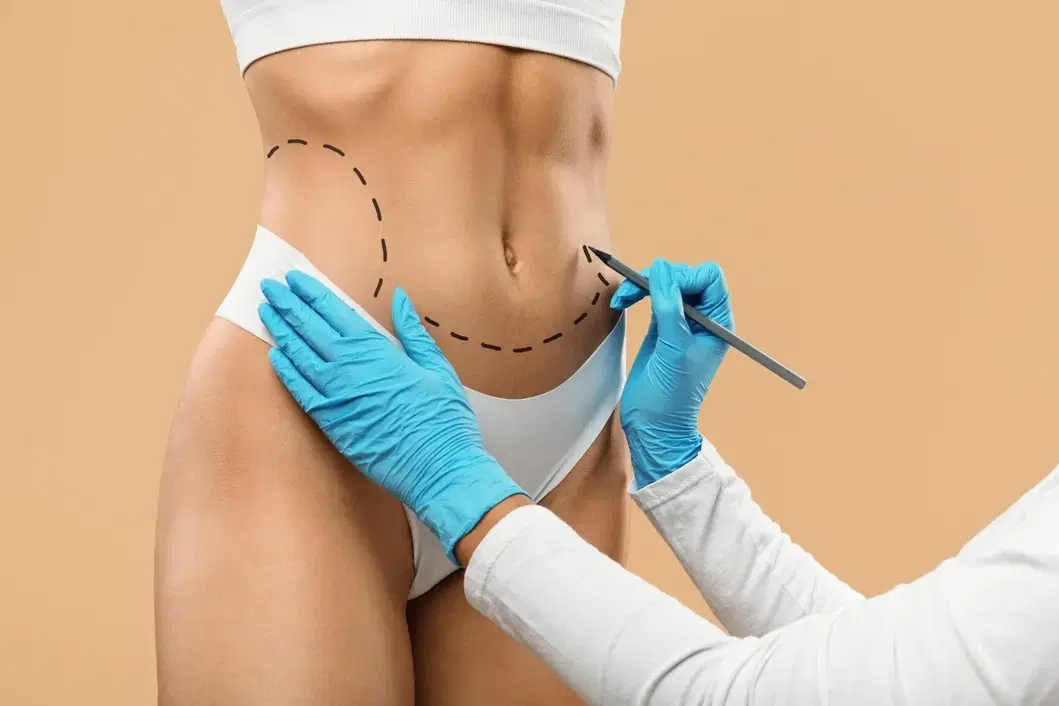
Liposuction can be used on several parts of the body where localized fat accumulation affects body contour. Frequently treated areas include the abdomen, flanks, waist, hips, thighs, knees, upper arms, back, chest, neck, and under the chin.
Several areas may be treated during the same operation when appropriate. For example, abdominal liposuction may be combined with treatment of the waist and flanks to create a more balanced torso contour.
The suitability of each area depends on skin quality, fat thickness, anatomy, and the intended degree of correction.
Who Is a Suitable Candidate for Liposuction?
Liposuction is generally considered for adults who are close to a stable body weight but have resistant localized fat deposits. Good skin elasticity can support smoother adaptation after fat removal.
Patients with significant skin laxity may not achieve the desired contour through liposuction alone. In such cases, procedures that remove excess skin may need to be considered.
Medical history, previous surgery, medications, smoking status, circulation, and general health are also reviewed before treatment. These factors can influence surgical planning and postoperative recovery.
How Is Liposuction Performed?
Liposuction is performed through small incisions placed near the treatment area. A fluid solution is usually introduced into the tissues before fat removal to support the surgical process.
The surgeon then moves a cannula through the fatty layer using controlled movements. Fat cells are loosened and removed through suction while preserving surrounding structures as much as possible.
The amount of fat removed depends on the treatment area, body structure, and safety considerations. The objective is controlled reshaping rather than maximum-volume fat extraction.
Incisions are usually small and positioned to reduce their visual prominence after healing.
What Is Tumescent Liposuction?
Tumescent liposuction involves introducing a prepared fluid solution into the treatment area before fat removal. This solution expands the fatty tissue and supports controlled cannula movement.
The technique can also help manage bleeding and postoperative discomfort during the surgical process. Many contemporary liposuction procedures incorporate some form of tumescent infiltration.
Tumescent technique describes part of the surgical method rather than a separate body contouring goal. The overall treatment plan still depends on the targeted anatomical region.
VASER and Ultrasound-Assisted Liposuction
Ultrasound-assisted liposuction uses energy to help disrupt fatty tissue before suction. VASER liposuction is one technique within this category.
The approach may be used when controlled fat removal and detailed contouring are required. However, energy-assisted techniques still involve surgical fat extraction and should not be considered non-invasive treatments.
The choice between conventional and energy-assisted liposuction depends on tissue characteristics, treatment area, and the surgical objective.
Technology alone does not determine the quality of a liposuction result. Anatomical assessment and appropriate fat removal remain central to treatment planning.
Is Liposuction a Weight-Loss Procedure?
Liposuction is not intended to treat obesity or produce major weight reduction. Its primary purpose is body contouring.
Body weight is influenced by overall fat mass, muscle mass, fluid balance, diet, activity, and multiple physiological factors. Removing localized fat from selected areas does not address these broader factors.
Patients seeking substantial weight loss should therefore distinguish between weight-management strategies and cosmetic body contouring procedures.
Liposuction is usually more appropriate when specific areas remain disproportionate despite relatively stable body weight.
Liposuction and Skin Tightening
Liposuction removes fat but does not directly remove significant amounts of excess skin. Skin must contract over the reshaped area during recovery.
Patients with good skin elasticity may experience better adaptation after fat removal. Those with extensive laxity can continue to have loose skin after liposuction.
Abdominoplasty, arm lift, thigh lift, or other skin-removal procedures may be considered when excess tissue is the primary concern.
For this reason, assessment should identify whether unwanted contour results mainly from fat, loose skin, or a combination of both.
Recovery After Liposuction
Recovery after liposuction usually involves swelling, bruising, tenderness, and temporary changes in sensation. Compression garments may be used to support tissues and manage postoperative swelling.
Light walking is commonly encouraged during early recovery, while strenuous exercise and heavy physical activity are temporarily restricted.
Swelling can make the treated area appear larger or uneven during the first stages of healing. This appearance generally changes as tissues settle.
Final contour development occurs progressively rather than immediately after surgery. Residual swelling can take time to resolve.
Are There Risks With Liposuction?
Liposuction has potential surgical risks including infection, bleeding, fluid accumulation, contour irregularities, asymmetry, temporary numbness, prolonged swelling, and wound-healing problems.
More extensive fat removal can involve additional considerations related to fluid balance and recovery. For this reason, the extent of treatment should remain within appropriate surgical limits.
Skin irregularity may become more visible when elasticity is poor or when tissue does not contract evenly after fat removal.
A thorough preoperative assessment helps identify factors that may increase surgical risk or affect the expected contour.
Does Fat Return After Liposuction?
Fat cells removed during liposuction do not regenerate in the same pattern as untreated tissue. However, remaining fat cells can enlarge if body weight increases.
Weight gain after surgery can therefore change the appearance of treated and untreated areas. Maintaining a relatively stable weight supports longer-term preservation of body proportions.
Natural aging, hormonal changes, pregnancy, and lifestyle factors can also influence body contour over time.
Liposuction should therefore be viewed as a contouring procedure rather than protection against future weight change.
Liposuction in Turkey for International Patients
International patients considering liposuction in Turkey should plan for both surgery and postoperative recovery. The treatment process may include preoperative tests, body assessment, anesthesia planning, compression garments, postoperative examinations, and follow-up instructions.
Travel schedules should provide enough time for early recovery before returning home. Long flights immediately after surgery may be unsuitable when mobility is limited or swelling remains significant.
Patients should understand which areas will be treated, the planned liposuction technique, expected recovery, potential risks, and postoperative monitoring before surgery.
Liposuction in Turkey can reshape localized fat deposits and improve body proportions when used for appropriate indications. Careful anatomical evaluation, controlled fat removal, skin assessment, and structured postoperative care are central to the treatment process.

You can send us messages regarding your appointments and requests.
 Send Message